

AfDB joins Berne Union, boosting global push for Africa investment finance
A key focus of the conference was how multilateral development banks and export credit agencies can work together to mobilise private capital at a larger scale.
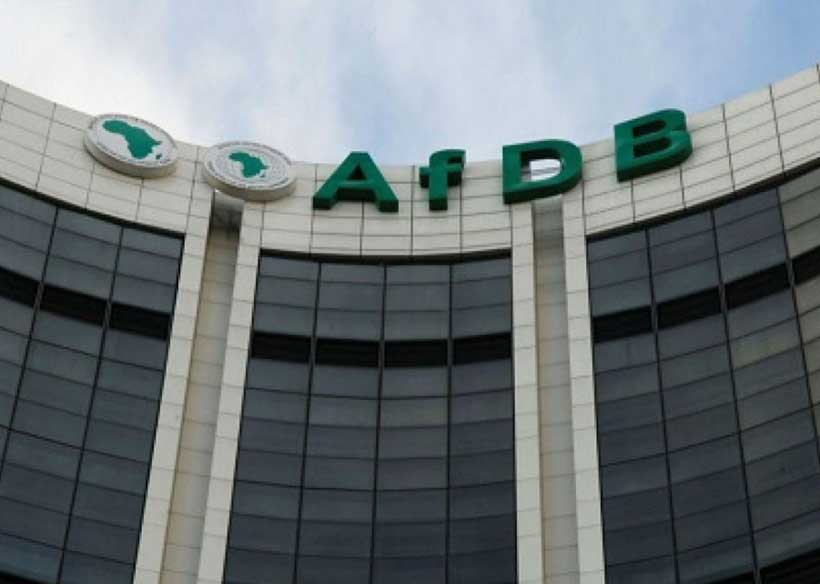
- Country:
- Ivory Coast
The African Development Bank Group has taken part in the 2026 Berne Union Spring Meeting in Astana, Kazakhstan, marking its formal entry as the first multilateral development institution to become a full member of the global export credit and investment insurance association.
The Berne Union, established in 1934, is the leading global platform for export credit agencies and investment insurers, bringing together institutions that manage trade risk and support cross-border investment. This year's meeting gathered more than 240 delegates from over 70 countries, including development finance leaders, insurers, and export credit agencies.
The Bank's participation signals a deeper integration into global risk-sharing systems that influence how international trade and investment flows are structured, especially in emerging markets where access to insurance and credit support often determines whether large-scale projects move forward.
MDBs and export credit agencies seek stronger coordination
A key focus of the conference was how multilateral development banks and export credit agencies can work together to mobilise private capital at a larger scale. A dedicated MDB–ECA cooperation session, co-led by AfDB representatives and US EXIM Bank, examined how shared frameworks and better coordination could reduce investment risk and expand financing pipelines.
Participants stressed that no single institution has the capacity to deliver global development goals using its own balance sheet alone. Discussions highlighted the need for structured pipeline-sharing systems, updated cooperation tools within the Berne Union, and closer engagement with organisations such as the OECD and credit rating agencies to better reflect the role of MDBs in reducing investment risk.
The session reinforced a growing push to treat development finance and export credit systems as interconnected parts of the same financing ecosystem rather than separate instruments.
Africa's investment case shaped by risk perception and opportunity
The conference theme, "Crossroads," reflected shifting global trade patterns, geopolitical uncertainty, and reconfiguration of supply chains. Africa featured prominently in these discussions, with attention drawn to its critical mineral reserves, expanding consumer markets, and emerging infrastructure corridors that are central to global energy transition and industrial supply chains.
Despite these advantages, participants noted that Africa continues to face structural underinvestment, driven in part by risk perceptions that do not fully align with available data. Evidence from global risk databases shows strong sovereign debt recovery performance across many African economies, a point raised as critical to reshaping investor confidence and improving capital flows.
This gap between perceived and actual risk remains a central barrier to unlocking large-scale private investment, particularly in infrastructure and industrial development projects that require long-term financing.
New platform strengthens AfDB role in global finance networks
The African Development Bank's full membership in the Berne Union provides access to technical committees, peer intelligence networks, and policy discussions involving 89 member institutions worldwide. Bank representatives will now participate directly in medium and long-term financing discussions that shape global export credit and investment insurance practices.
The Bank has positioned this engagement as part of its broader strategy to mobilise private capital for development projects across energy, transport, agriculture, digital infrastructure, and financial systems. With more than $20 billion in planned projects for 2026, officials say stronger links with export credit and insurance institutions will be essential to scaling investment flows.
The move is also aligned with wider reforms under the New African Financial Architecture for Development, aimed at strengthening Africa's ability to attract, structure, and retain long-term investment at scale.
ALSO READ
-
African Development Bank Steps Up Push to Deliver Roads, Airport and Services in CAR
-
DRC Pushes Electricity Reforms to Protect Household Budgets and Unlock Power Investment
-
AfDB and Germany Join Forces to Connect Africa Through Better Rail
-
Morocco Secures €270 Million for Airport Upgrades as Passenger Demand Keeps Growing
-
AfDB Shifts Focus in CAR From Funding Projects to Fixing Delivery Bottlenecks


 Google News