

Transformative Power of Right to Education: A Legacy of Justice
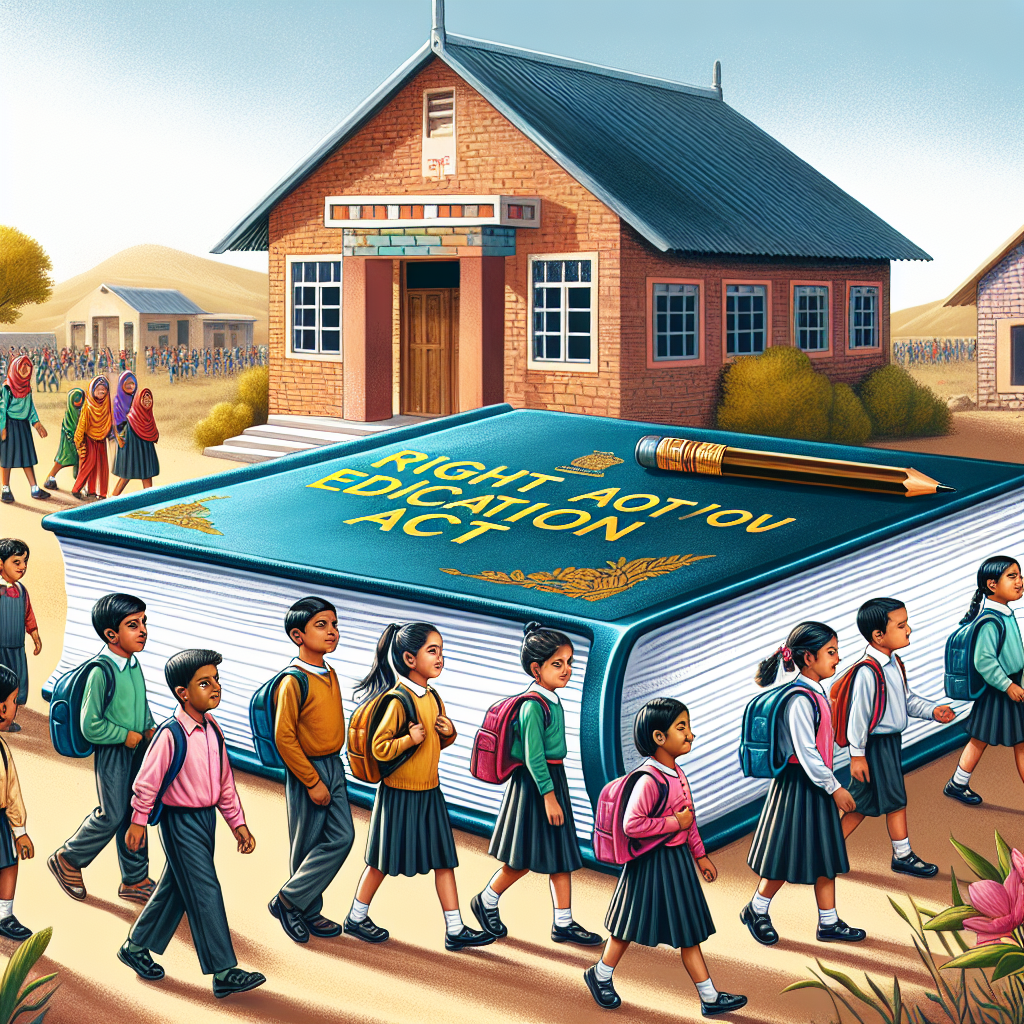
Former Chief Justice of India, U U Lalit, praised the Right to Education as a fundamental right, underscoring its transformative impact on Indian society's literacy and inclusivity. The legislation, supported by both judiciary and legislature, guarantees free education for children aged 6-14, including private institutions. This initiative is hailed as an unparalleled example of affirmative action.
- Country:
- India
Former Chief Justice of India, U U Lalit, highlighted the transformative role of the Right to Education in Indian society, marking it as a quintessential example of affirmative action that fundamentally changed citizens' lives.
Addressing an event for the release of the 100th episode of Rajya Sabha MP Kapil Sibal's show, 'Dil Se With Kapil Sibal,' Lalit commended the inclusive essence of the Right to Education and its significant impact on literacy rates from Independence until today.
Lalit emphasized the collaborative role of the judiciary and the legislature in making education a fundamental right, which was a monumental decision interpreted by the Supreme Court. This initiative underscores the power of interpretative process in activating widespread affirmative action without opposition from any establishment.
ALSO READ
-
Japanese Lawmakers Visit India to See Worker Protection and Skills Projects in Action
-
Indian Unions Push for Fair Recruitment and Rights for Care Workers in Germany
-
Cleaner Kitchens, Polluted Skies: Hidden Health Cost of India’s Electricity Boom
-
Japan-Backed ILO Projects Help 23,000 Workers Gain Rights and Fight Child Labour
-
India's Delicate Balancing Act: Navigating Energy Security Amid Middle Eastern Tensions


 Google News