

Mahatma Gandhi's Historic 1918 Kumbh Visit: A Unifying Call for Freedom
Mahatma Gandhi, a key figure in India's independence movement, visited the Kumbh Mela in 1918. He saw it as an opportunity to unite Indians for the freedom struggle against British rule. Despite his disappointment with hygiene conditions, his visit underscored the event's potential to inspire unity and patriotism.
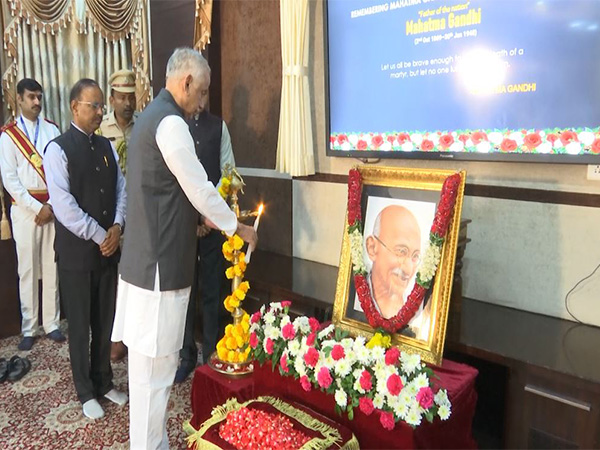
- Country:
- India
Mahatma Gandhi, a foundational figure for India's independence, attended the Kumbh Mela in 1918 with the intent to unify his compatriots against colonial rule. This mass gathering, featuring people from all walks of life, served as a microcosm of the larger Indian society, offering Gandhi a unique platform for his message of unity.
Course Coordinator Dhananjai Chopra from the Centre of Media Studies at the University of Allahabad remarked on Gandhi's foresight. 'He saw the Maha Kumbh as a medium to inspire and unite the masses for the freedom struggle,' Chopra explained, noting the strategic significance of the event.
Despite Gandhi's optimism, his visit also highlighted critical issues, such as poor hygienic conditions, which he believed detracted from the event's purity. On a personal note, his ashes were later immersed at the Triveni Sangam, underscoring the symbolic importance the location held for Gandhi and his family.


 Google News