

Haryana CM Announces Special Reservations and Subsidies for Ex-Agniveers
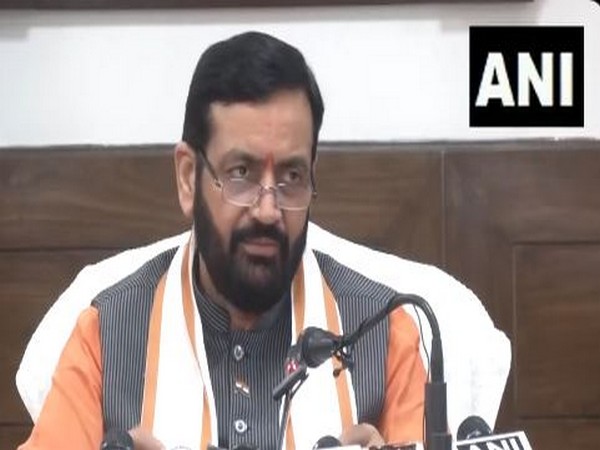
Haryana Chief Minister Nayab Singh Saini announced a 10% horizontal reservation for ex-Agniveers in direct recruitment for various state posts. Additionally, ex-Agniveers will receive age relaxations and industrial units hiring them at salaries above Rs 30,000 per month will be subsidized by the state government.
- Country:
- India
Haryana Chief Minister Nayab Singh Saini on Wednesday revealed a series of initiatives benefiting ex-Agniveers, guaranteeing a 10 percent horizontal reservation in direct recruitment for roles such as Constable, Mining Guard, Forest Guard, Jail Warden, and Special Police Officer (SPO) under the state government. Additionally, a three-year age relaxation will be granted for government posts in the Group B and C categories.
The Agnipath scheme, launched by the Centre on June 15, 2022, aims to enlist male and female aspirants into the non-officer cadre of the three armed services for a tenure of four years. Post training, these Agniveers may receive further specialized trade training and upskilling, with up to 25 percent of each batch potentially being enrolled into the regular cadre of the Armed Forces, based on organizational needs.
Furthermore, the Central Armed Police Forces (CAPFs) have introduced a 10 percent quota for ex-Agniveers in constable-level positions. While the scheme sparked debate, with the INDIA bloc and Congress promising repeals if they come to power, Saini emphasized that industrial units offering ex-Agniveers salaries above Rs 30,000 monthly will receive a state subsidy of Rs 60,000 per annum.


 Google News