

Kashmir's Saffron Farmers Grapple with Climate Change Amid Struggle for Survival
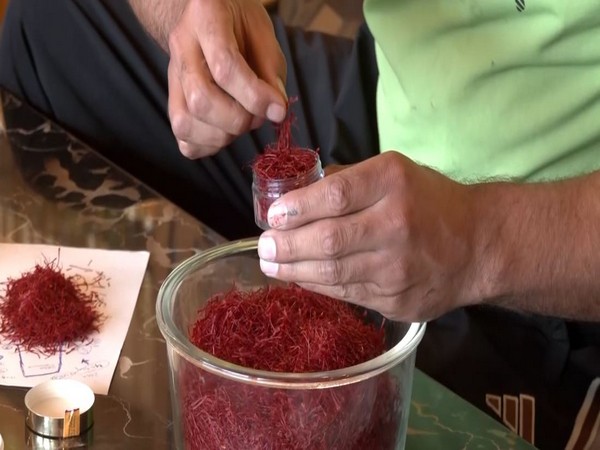
Kashmir Valley's saffron farmers face dwindling yields and economic uncertainty due to climate change. Despite challenges, efforts by the Advanced Research Centre for Saffron and Seed Spices aim to boost production. Government initiatives, such as the Saffron Park, provide support and quality assurance for this culturally significant crop.
- Country:
- India
In Kashmir Valley, saffron is more than just a crop; it's a heritage symbol and a vital income source. However, the farmers behind this aromatic harvest are grappling with significant sustainability issues due to global warming.
Rising global temperatures have disrupted the delicate balance required for saffron cultivation. Unseasonal warmth and diminishing snowfall jeopardize yields, bringing uncertainty to farmers who have invested their lives in this industry.
Saffron production has stabilized around 15 tons annually, aided by research and technology from the Advanced Research Centre for Saffron and Seed Spices in Pampore. The centre has devised an irrigation schedule to assist farmers, shared with the Department of Agriculture, along with comprehensive cultivation guidance.


 Google News