

Supreme Court's New Gem: National Judicial Museum Inaugurated
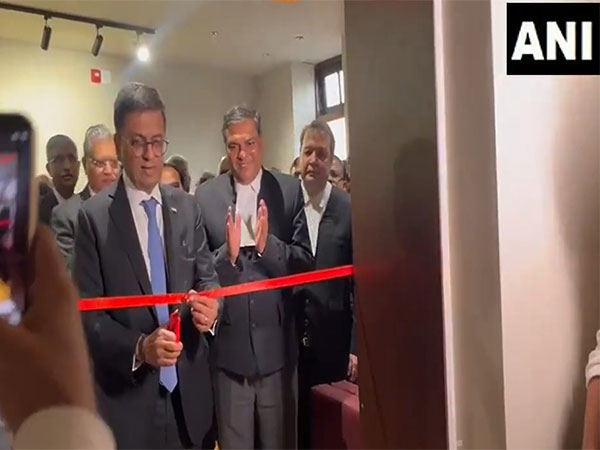
Chief Justice DY Chandrachud inaugurated the National Judicial Museum and Archive at the Supreme Court in New Delhi, emphasizing its role in delivering justice and protecting citizens' rights. Designed by experts behind the Pradhanmantri Sangrahalay, the museum reflects the core values and significance of India's judicial institutions.
- Country:
- India
In a significant development, Chief Justice DY Chandrachud recently unveiled the National Judicial Museum and Archive (NJMA) at the Supreme Court premises in New Delhi. The launch was graced by the presence of several illustrious members of the judiciary.
During the inauguration, Chandrachud highlighted the museum's pivotal role in illustrating the judiciary's commitment to justice and the protection of fundamental rights. The Chief Justice remarked that the museum's conceptualization took over a year, while its construction was completed in record time of six months. Chandrachud emphasized the aim to create a museum that stands on par with international standards, symbolizing the importance of judicial institutions in upholding justice and rights.
Chandrachud praised the museum's designers, noting that their experience includes significant projects like the Pradhanmantri Sangrahalay at Teen Murti Bhawan. He acknowledged their forward-thinking approach and expertise in crafting a world-class museum. The new establishment not only showcases the Supreme Court's legacy but also serves as an engaging space for the youth.


 Google News