

Bhopal's Toxic Legacy: Incineration of Union Carbide Waste Begins
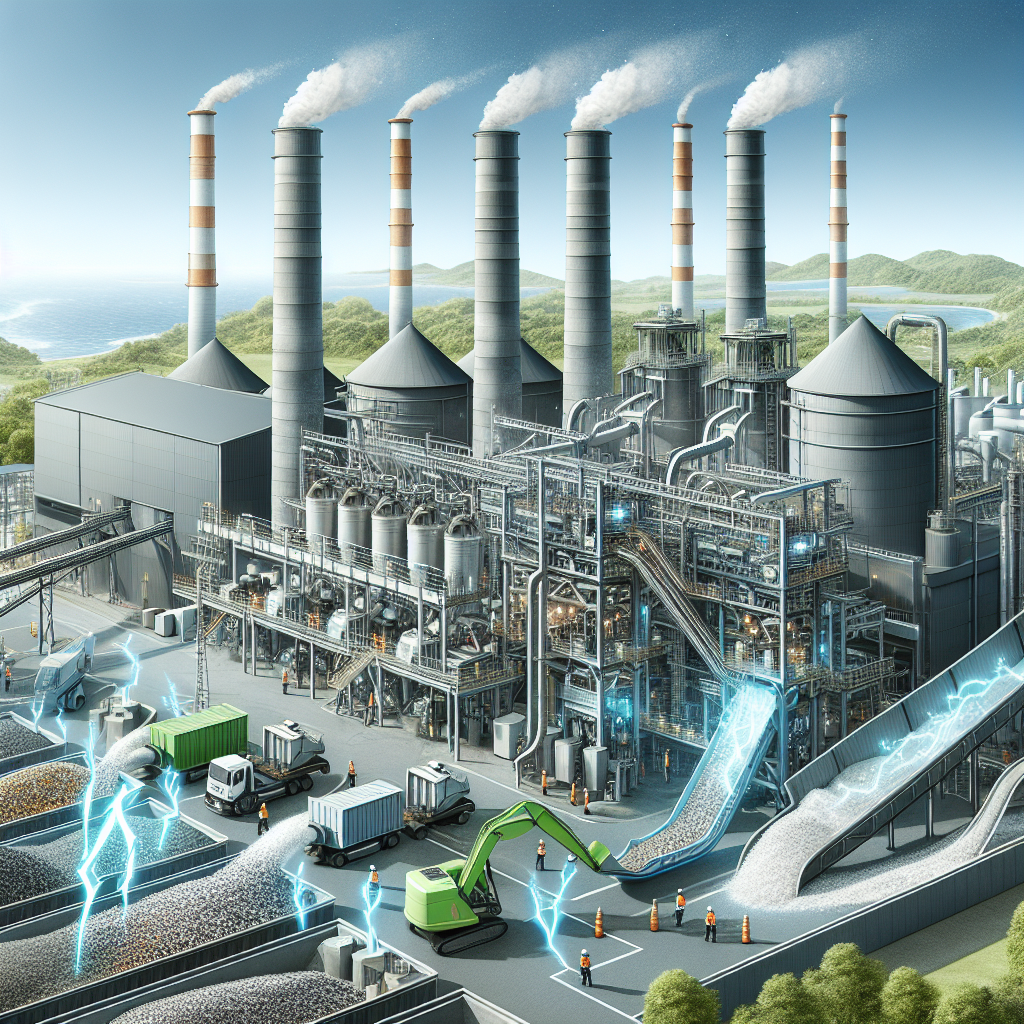
The first phase of incinerating 10 tonnes of toxic waste from Bhopal's Union Carbide plant took place in Pithampur, Madhya Pradesh, within controlled emissions. The process is monitored for safety, with further incinerations planned. This effort follows directives from the Madhya Pradesh High Court to safely dispose of hazardous materials.
- Country:
- India
The first phase of incinerating toxic waste linked to the 1984 Bhopal gas tragedy has concluded in Pithampur, Madhya Pradesh. The trial, which involved burning 10 tonnes of hazardous materials, was completed as officials ensured gas emissions remained within permissible limits.
Indore Division Commissioner Deepak Singh confirmed the completion of the trial burn and stated that preparations are underway for a second phase in early March. The ongoing disposal efforts follow a Madhya Pradesh High Court directive to manage the remnants of the Union Carbide disaster.
Authorities, including the MP Pollution Control Board, are closely monitoring air quality and emissions throughout the process. The historical tragedy saw a catastrophic leak of methyl isocyanate gas, marking it as one of the deadliest industrial accidents. The incineration trial seeks to finally address the lingering environmental and public health challenges.


 Google News