

Trade Tensions Test U.S. Labor Market Amid Tariff Troubles
The number of Americans filing for unemployment benefits reached a seven-month high, signaling potential strains in the labor market. Ongoing trade tensions and tariff announcements have fueled uncertainty, impacting hiring decisions. Despite some seasonal data adjustments, the rise in unemployment claims suggests growing economic challenges for the U.S.
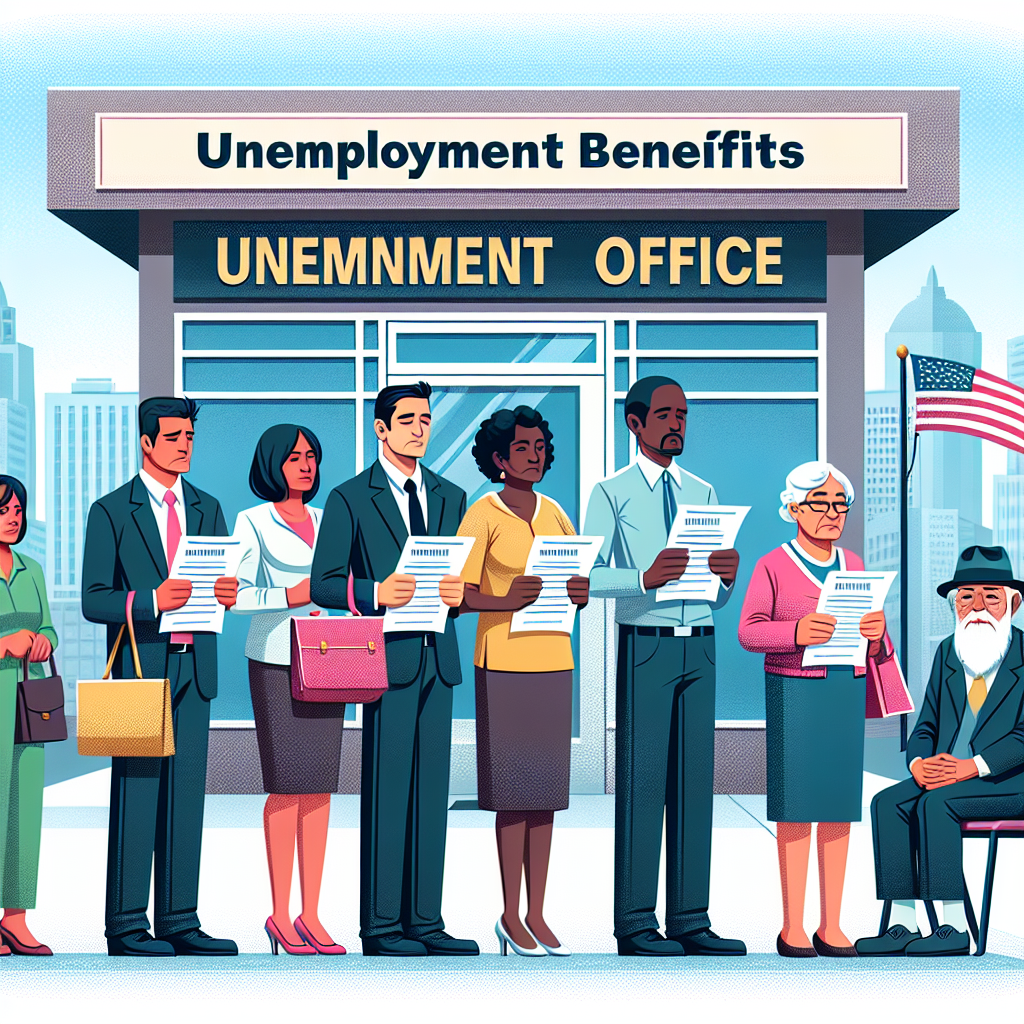
The U.S. labor market is showing signs of strain as unemployment claims hit a seven-month peak, following increased uncertainty due to escalating trade tensions. The Labor Department's latest figures highlight these challenges, while issues adjusting the data for seasonal trends may have also played a role in the rise.
Economists express concerns over the implications of the Trump administration's trade policies on the job market. Factory layoffs, particularly in the automobile sector in states like Kentucky and Tennessee, contribute to the surge in unemployment filings, while Michigan sees an uptick due to manufacturing job losses.
Further compounding the situation, the Federal Reserve’s Beige Book indicates a slowdown in hiring trends, with some businesses pausing staff additions amidst economic headwinds. Despite some positive economic reports, such as a narrowed trade deficit, uncertainty continues to shadow labor market prospects.


 Google News