

Sanctions Stranglehold: Global Response to Russia's Ukraine Invasion
International sanctions target Russia's energy sector post-Ukraine invasion, impacting oil and gas industries. The EU, US, and G7 enforce financial and trade restrictions, shifting oil markets and affecting Russian economy. Despite measures, some trade persists, highlighting ongoing global economic tensions.
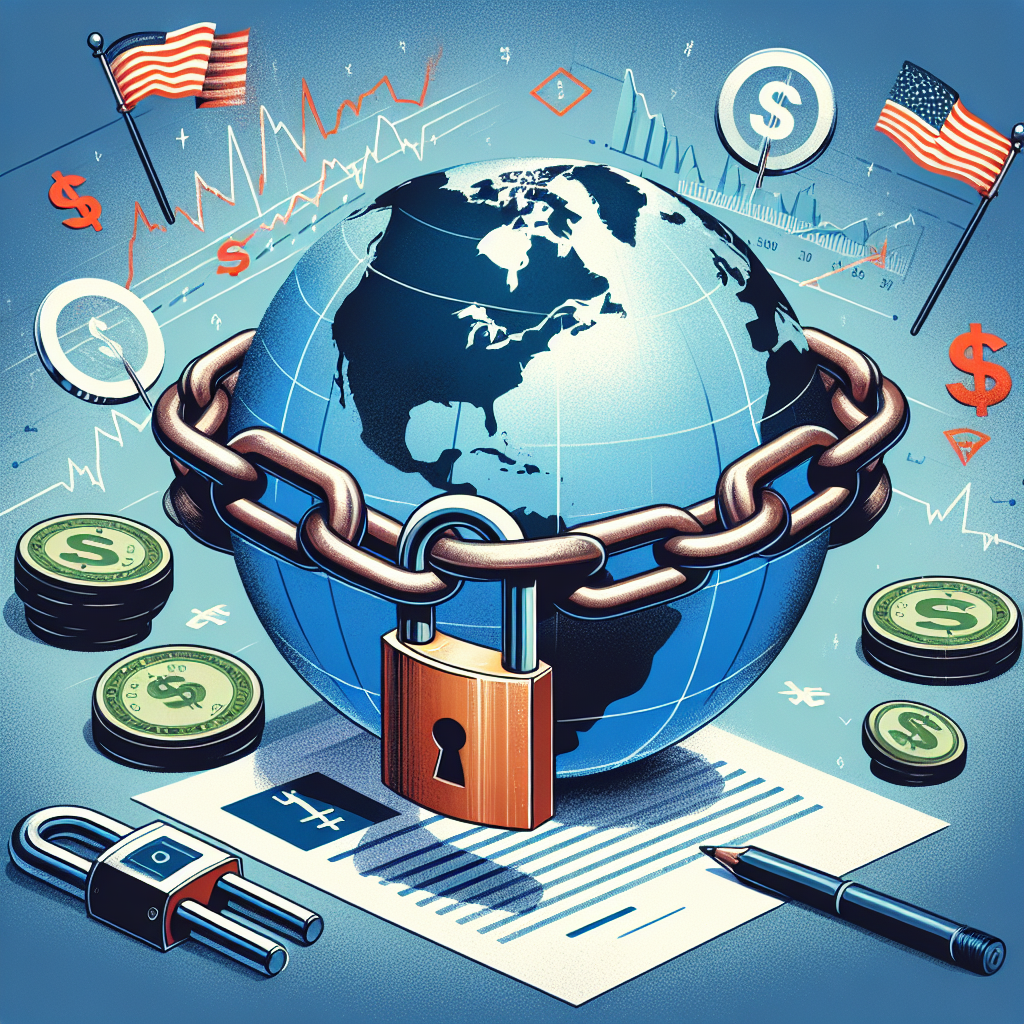
In the wake of Russia's invasion of Ukraine, global powers have enforced a slew of sanctions, primarily targeting the energy sector. U.S. President Donald Trump imposed restrictions on Russian oil companies such as Rosneft and Lukoil, giving companies a deadline to cease transactions. Additionally, Serbia's Russian-owned oil company NIS has been sanctioned, reflecting a continuing crackdown on Russia's energy assets.
The European Union and the G7 have intensified efforts by capping Russian oil prices and banning maritime crude imports. Alterations to the oil trade landscape have shifted key customers from Europe to Asia, prompting tariff discussions, especially with nations like India and China. Meanwhile, measures against oil tankers and pipelines emphasize the international commitment to enforce these sanctions.
On the financial front, major actions include asset freezes and transaction bans targeting Russia's central bank and prominent financial institutions. As trade between Russia and western nations dwindles, the impact of these sanctions ripples through global economies. Despite the extensive restrictions, trade continues, underscoring the complexity of geopolitics and international commerce.
ALSO READ
-
Ukraine’s Recovery Puts Decent Jobs, Stronger Institutions and Opportunity at Its Heart
-
Ukraine Revives National Dialogue to Put Workers and Businesses at Heart of Recovery
-
Inside Russia’s SMR School, Where Nuclear Experience Shapes Future Energy Decisions
-
Naftogaz Sets Out Cleaner Energy Future With EIB Support and 2050 Net Zero Target
-
KSrelief and UNDP Launch $5M Lifeline for Ukraine’s War-Affected Hospitals


 Google News