

Brazil's Agribusiness Under Fire: Navigating Deforestation Accusations at COP30
At the COP30 climate summit in Brazil, the agribusiness sector defends itself against accusations of contributing to Amazon deforestation. While farmers argue sustainable practices, environmental groups highlight links to illegal deforestation. Amid protests, Brazil contends with international trade barriers and seeks a balance between economic growth and environmental preservation.
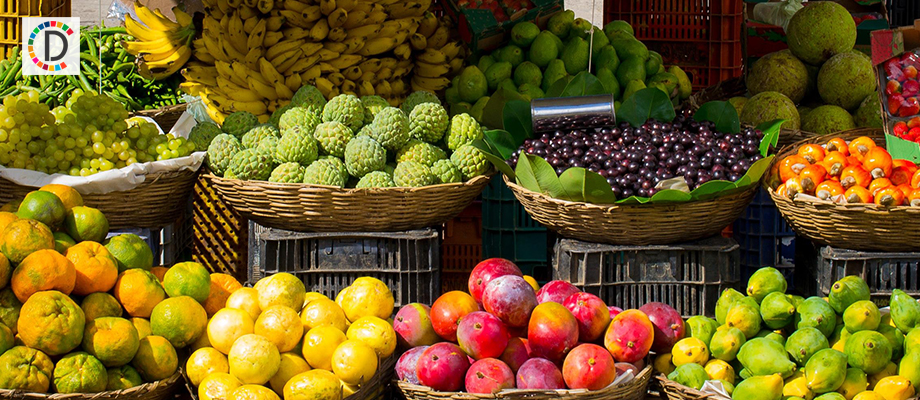
Amid the COP30 climate summit in Brazil, agribusiness leaders are under intense scrutiny as they defend their industry against accusations of fueling deforestation in the Amazon rainforest.
The European Union's impending regulations aim to curb deforestation-linked imports, impacting Brazil's significant agricultural exports, including coffee, beef, and soybeans. Environmental advocates and indigenous groups continue to protest greenhouse gas emissions resulting from deforestation activities.
Brazilian agriculture officials, however, argue that the blame lies with illegal loggers and emphasize their commitment to sustainability. The trade measures and deforestation disputes threaten to overshadow larger discussions at COP30 about climate funds and global carbon reduction strategies.
ALSO READ
-
Brazil’s Tax Reform Gets IDB Loans for State Finances and Public Services
-
São Paulo’s $460M Ferry Overhaul Brings Electric Vessels and New Local Jobs
-
Brazil’s Paraíba Secures $50 Million to Build Stronger Water and Sanitation Services
-
AfDB and Brazil Deepen Mali Cooperation on Food, Jobs and Energy
-
Thailand’s High-Income Future Will Be Shaped by Smarter Cities


 Google News