

Japan Faces Divisions as Nuclear Power Plant Restarts
Japan has taken decisive action to restart the Kashiwazaki-Kariwa nuclear power plant, marking a significant moment in its return to nuclear energy. Despite potential benefits like job creation and lower electricity costs, the decision has sparked public protests and concerns over safety.
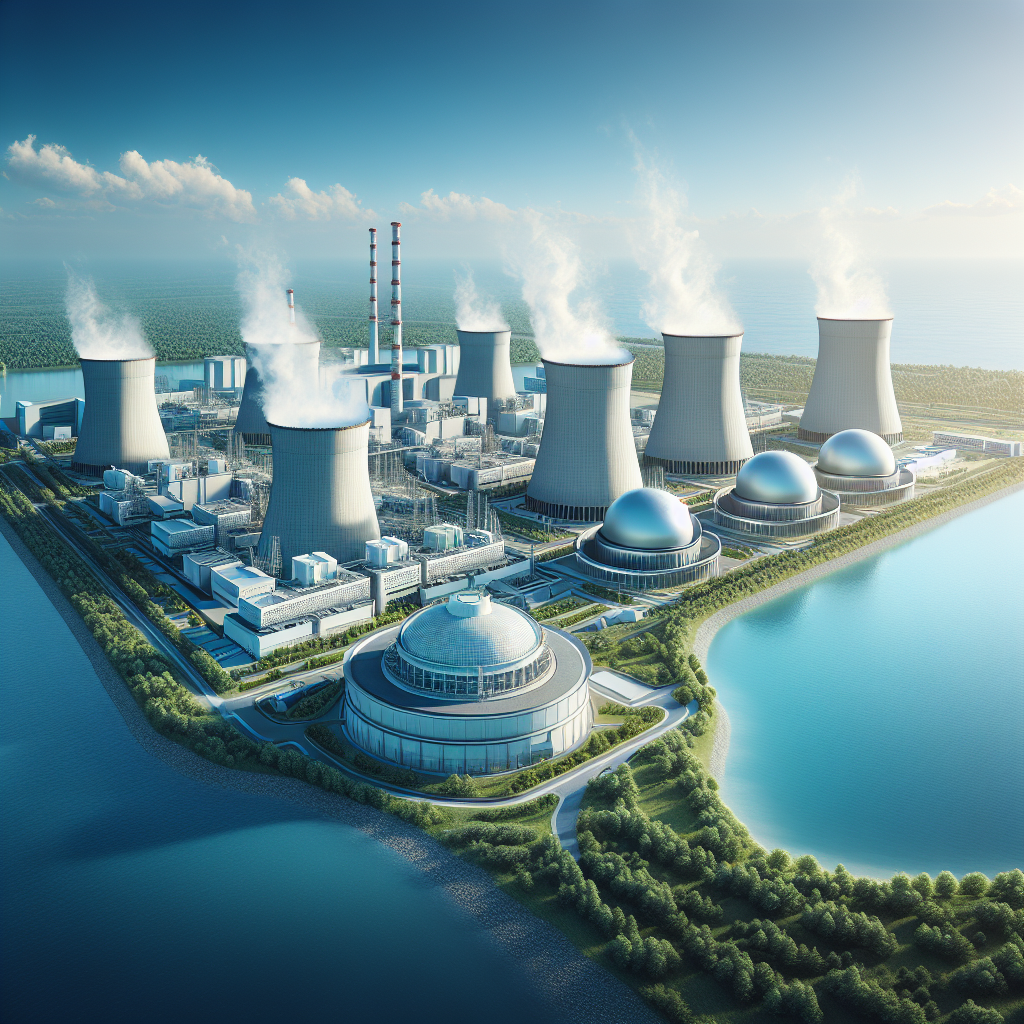
Japan's Kashiwazaki-Kariwa nuclear power plant, the world's largest, is set to resume operations following a crucial regional vote. This decision marks a pivotal point in Japan's efforts to revive nuclear energy 15 years after the Fukushima disaster.
The prefecture's assembly supported Governor Hideyo Hanazumi's previous approval for the plant's restart, despite local opposition. Protests erupted as community members expressed fears over safety and past nuclear accidents, underscoring the public's polarized views.
TEPCO, tasked with the plant's operations, has plans to reactivate the first reactor by January. While some see this move as a step towards energy security, others remain haunted by the Fukushima tragedy.


 Google News