

OPEC+ Holds Steady Amid Political Turmoil: A Balancing Act
OPEC+ maintained stable oil output following a quick meeting, avoiding political crises discussions despite oil prices plunging 18% in 2025. Key issues include Saudi-UAE tensions over Yemen, U.S. actions in Venezuela, and Russian export declines due to sanctions. The group focuses on stability over action amid geopolitical instability.
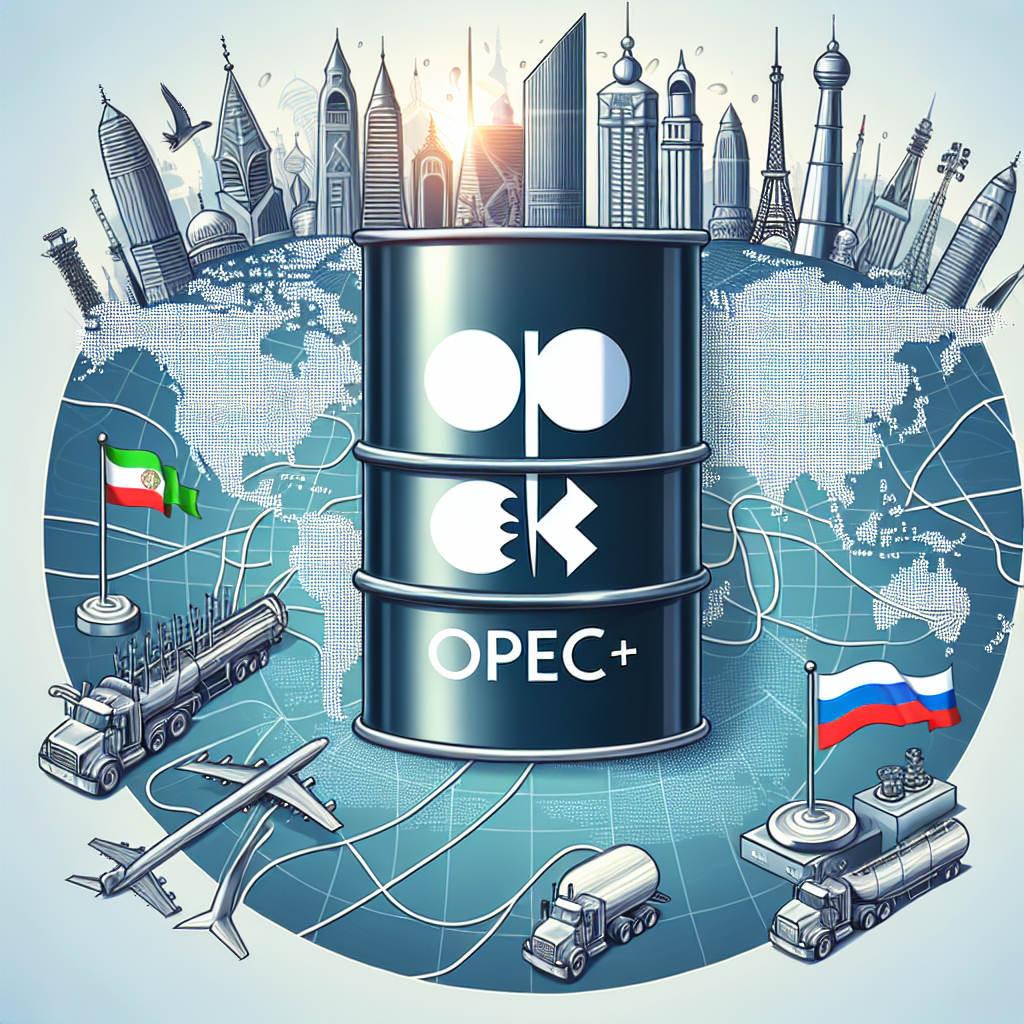
In a strategic move, OPEC+ has opted to maintain its current oil output levels, sidestepping any dialogue over the numerous political crises impacting several of its member states. This decision comes as the global oil market reels from an 18% price decline in 2025, marking the steepest annual drop since 2020.
The decision follows internal conflicts, such as the recent escalation between Saudi Arabia and the UAE over Yemen, and new geopolitical developments, including U.S. intervention in Venezuela's administration. Meanwhile, Russia's export challenges stemming from U.S. sanctions add further complexity to the alliance's dynamics.
As the organization seeks to navigate these turbulent waters, experts suggest that political uncertainty is now a key market driver. OPEC+'s consistent policy and focus on stability, despite the geopolitical shifts, underscore the challenging balance between market management and political dynamics.


 Google News