

EU Teeters on Edge of Stagflation Amid Energy Crisis
The European Union faces potential stagflation due to rising energy prices from the Iran conflict, warns Economic Commissioner Valdis Dombrovskis. Short-lived energy disruptions could impair growth and boost inflation, with more severe impacts if disruptions persist. Calls for temporary, targeted crisis measures emphasize energy autonomy investments to avoid future issues.
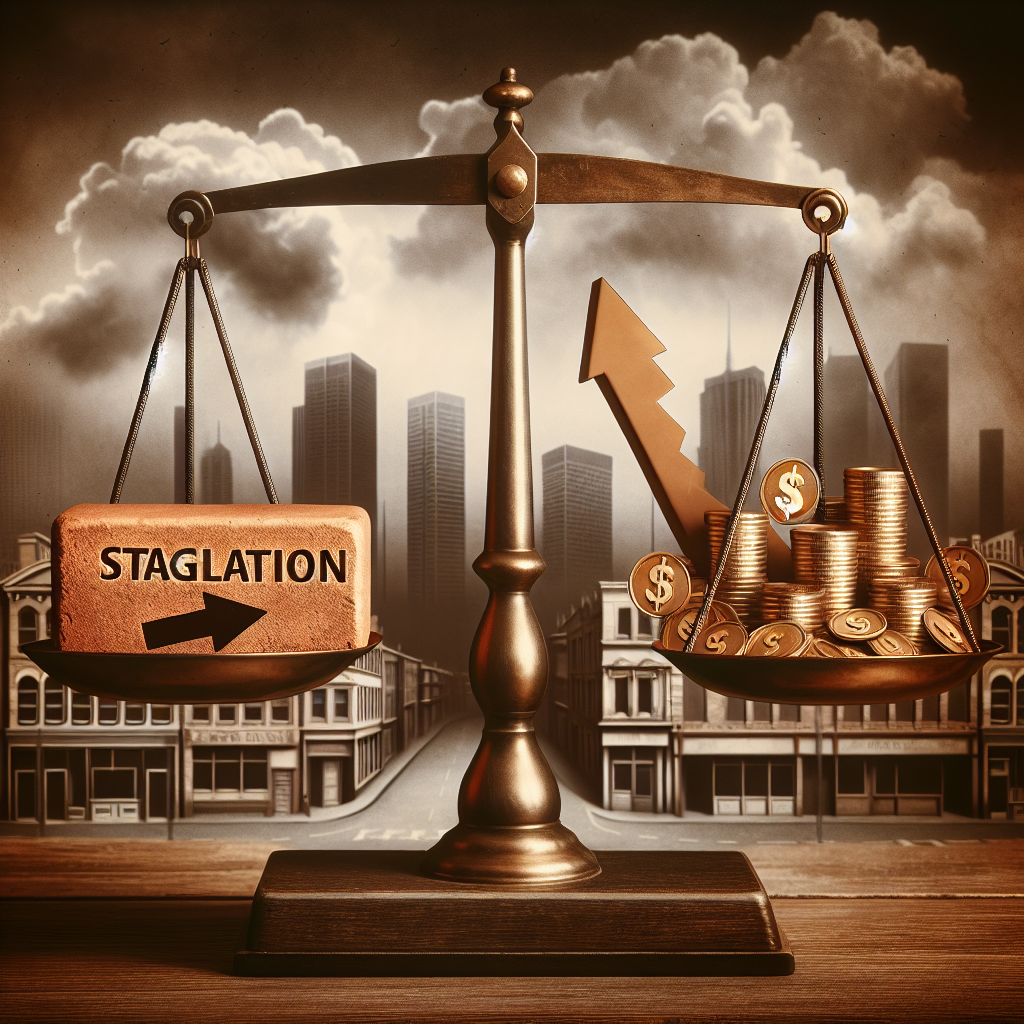
The European Union may face stagflation as energy prices surge due to the Iran conflict, according to Valdis Dombrovskis, the European Economic Commissioner. Despite the uncertainty, the risk is evident, as he highlighted during a press conference following an EU finance ministers meeting addressing the energy cost hikes.
Dombrovskis noted that even short-term energy supply issues could lower EU growth by 0.4 percentage points more than expected in 2026, with inflation potentially one percentage point higher. The European Commission had previously forecast modest growth and stable inflation, but these projections are now in jeopardy.
In response, euro zone finance ministers, led by Kyriakos Pierrakakis, stressed the need for temporary and effective measures targeting vulnerable groups, emphasizing quick implementation. They also pointed to the necessity of investing in clean energy infrastructure to bolster Europe's energy independence and address the crisis without long-term repercussions.
ALSO READ
-
Venezuelan Central Bank's Gold Transfer Nears Completion
-
Italy Mobilizes Navy to Secure Vital Shipping Lanes in Bab el-Mandeb
-
Syria's Diesel Deal: A Government's Strategic Shift Amid Crisis
-
Canadian Trade Minister Heads to India for Pivotal Economic Talks
-
Pakistan Enacts Austerity Amid Fuel Price Surge


 Google News