

Health News Roundup: Guinea tracks potential Ebola contacts, says can overcome new outbreak; What you need to know about the coronavirus right now and more
South Africa is yet to start its COVID-19 vaccination programme and the government has decided to go with the J&J dose after trial results this month showed AstraZeneca's two-shot vaccine was less effective against the new variant of the coronavirus dominating South African infections.
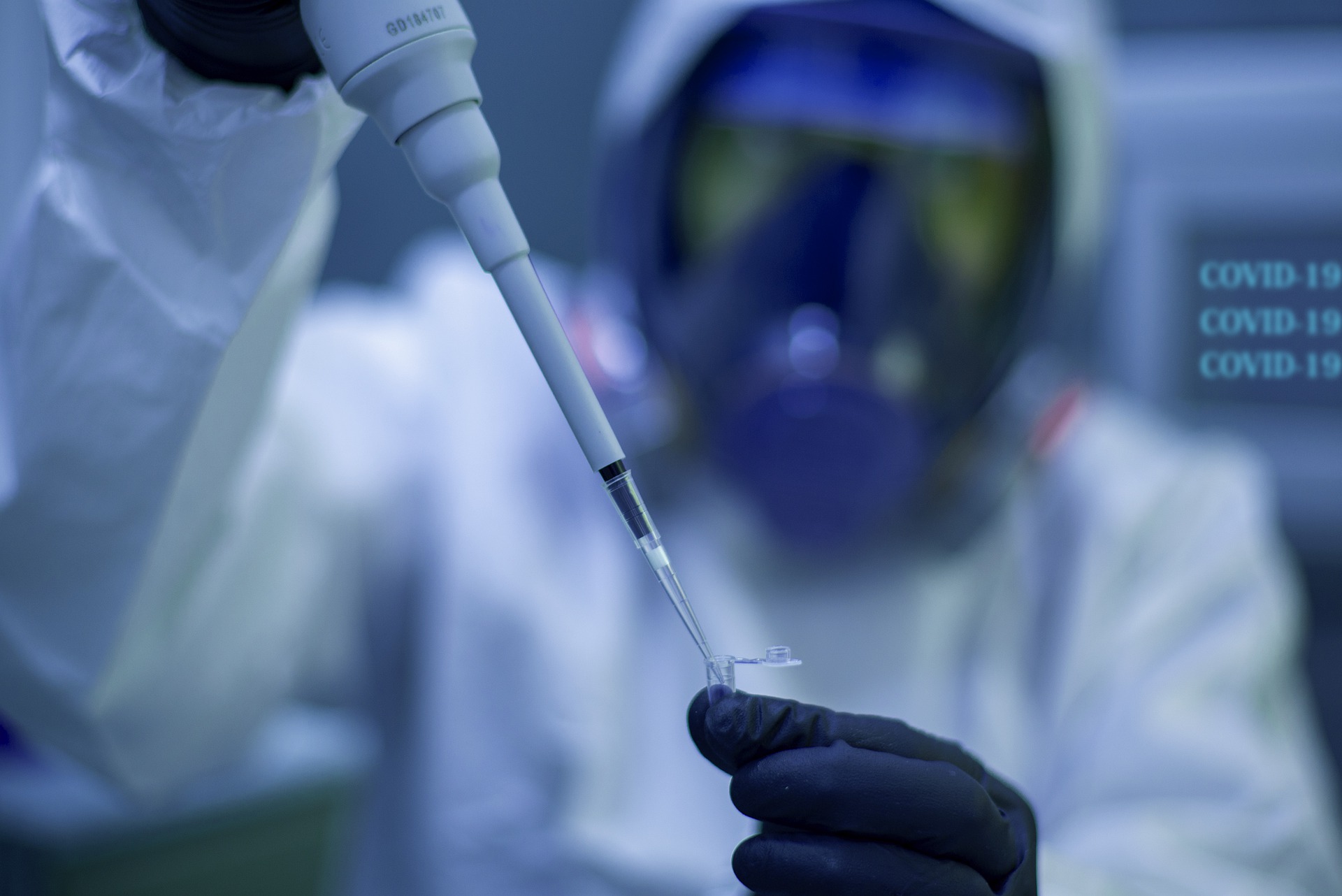
Following is a summary of current health news briefs.
Guinea tracks potential Ebola contacts, says can overcome new outbreak
Guinea is tracking down people who potentially came in contact with Ebola patients and will rush out vaccines to the area as soon as it can get them, after three people died of the disease, Health Minister Remy Lamah said on Monday. Lamah said that unlike during the deadliest known outbreak, which tore through West Africa in 2013-2016, Guinea now had the means to halt the resurgence of the disease.
What you need to know about the coronavirus right now
Here's what you need to know about the coronavirus right now: New Zealand in lockdown after UK variant found COVID-19 vaccines touch down in Australia, New Zealand, inoculations to start
Australia and New Zealand have received their first COVID-19 vaccine deliveries and will begin rolling out inoculations in the coming week, while populous cities of Melbourne and Auckland remained locked down following the emergence of new cases. "The Eagle has landed," Australian Health Minister Greg Hunt told reporters in Canberra on Monday as the first shipment of 142,000 doses of the vaccine developed by Pfizer Inc and Germany's BioNTech touched down.
Zimbabwe receives 200,000 doses of Sinopharm COVID-19 vaccines
A plane carrying Zimbabwe's first coronavirus vaccines, 200,000 doses donated by China, arrived in the capital Harare on Monday. A further 600,000 doses from China are set to arrive in early March, information minister Monica Mutsvangwa said last week. It is unclear how much the cash-strapped southern African nation will pay for the second batch of the vaccines from China National Pharmaceutical Group (Sinopharm).
Israeli study finds 94% drop in symptomatic COVID-19 cases with Pfizer vaccine
Israel's largest healthcare provider on Sunday reported a 94% drop in symptomatic COVID-19 infections among 600,000 people who received two doses of the Pfizer's vaccine in the country's biggest study to date. Health maintenance organization (HMO) Clalit, which covers more than half of all Israelis, said the same group was also 92% less likely to develop severe illness from the virus.
J&J's vaccine implementation study in S.Africa gets regulator nod
South Africa's drugs regulator SAHPRA said on Monday it has approved an implementation study of Johnson & Johnson's COVID-19 vaccine, clearing the way to start the country's first inoculations among health workers. South Africa is yet to start its COVID-19 vaccination programme and the government has decided to go with the J&J dose after trial results this month showed AstraZeneca's two-shot vaccine was less effective against the new variant of the coronavirus dominating South African infections.
CDC chief warns it's too soon in U.S. to lift COVID-19 mask mandates
The head of the U.S. Centers for Disease Control and Prevention said on Sunday it is "absolutely" too soon to lift mask mandates, citing daily COVID-19 case numbers that despite recent declines remain more than double the levels seen last summer. Dr. Rochelle Walensky's warning that face-covering requirements are still critical came just days after governors in Iowa and Montana lifted long-standing mask mandates in their states.
Pan-European consortium seeks big pharma partner for COVID-19 shot
A pan-European consortium developing a COVID-19 vaccine is in talks with big pharma to support the late-stage development of its shot and ramp up manufacturing, the head of German biotech firm Leukocare told Reuters. Leukocare is working with Italy's ReiThera and Belgium's Univercells on a vaccine based on a so-called non-replicating adenoviral vector, the same technology that AstraZeneca and Johnson & Johnson have used.
UK PM Johnson wants 'cautious but irreversible' path out of COVID-19 lockdown
British Prime Minister Boris Johnson said on Monday he would plot a cautious but irreversible path out of the COVID-19 lockdown this week after the vaccination of 15 million vulnerable people. With nearly a quarter of the United Kingdom's population now inoculated with a first dose of a COVID vaccine in a little over two months, Johnson is under pressure from some lawmakers and businesses to reopen the shuttered economy.
South Korea cuts first-quarter COVID-19 vaccination plan, restricts use of AstraZeneca shot
South Korea said on Monday it will not use AstraZeneca's coronavirus vaccine on people aged 65 and older, reversing an earlier decision, and scaled back initial vaccination targets due to delayed shipments from global vaccine-sharing scheme COVAX. South Korea had said it would complete vaccinations on 1.3 million people by the first quarter of this year with AstraZeneca shots, but it slashed the target sharply to 750,000.
ALSO READ
-
New Zealand Gives NZ$300,000 to Help Developing Countries Build Safer Food Trade
-
Iran’s Civilians Trapped Between State Repression and Deadly Strikes, UN Warns
-
UN Experts See UK Settlement Curbs as Turning Point, Urge Action Over Occupation
-
US Approves Potential Sale of F-35 Jets to Saudi Arabia, Shifting Middle Eastern Power Dynamics
-
Potential EU Partnerships Stir International Debate


 Google News