

Health News Roundup: Drugmakers pledge speedier European market launches to avert stricter regulation; Japan reports first case of COVID variant XE and more
Following is a summary of current health news briefs.
Drugmakers pledge speedier European market launches to avert stricter regulation
Drugmakers on Monday pledged to speed up the market launch of new drugs in underserved EU member states in a bid to avert stricter regulation by Brussels. European Federation of Pharmaceutical Industries and Associations (EFPIA) said in a statement on Monday its members pledge to file for reimbursement by national health systems no later than two years after EU regulatory approval, "provided that local systems allow it".
Japan reports the first case of COVID variant XE
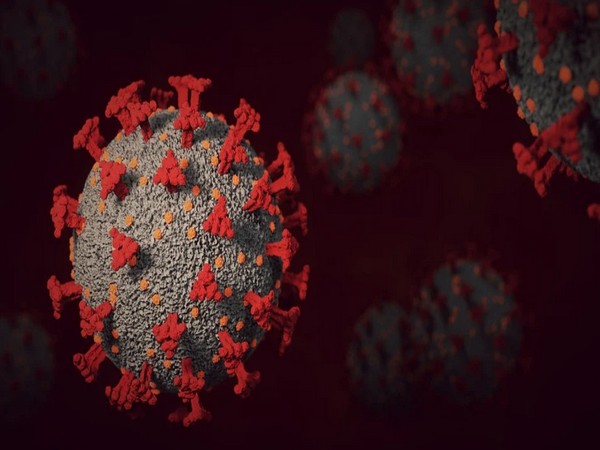
The Japanese health ministry on Monday reported the country's first case of coronavirus variant XE, in a woman who arrived at a Narita airport from the United States on March 26.
Japan cancels a third of contracted Astrazeneca vaccine purchase
Japan has canceled the purchase of about 40 million Astrazeneca Plc COVID-19 vaccine doses it agreed to buy last year, a health ministry official said in parliament on Monday. The contract allowed the government to cancel a portion of the supply if it was unneeded, the official said in response to lawmakers' questioning. Japan had originally agreed to buy 120 million of the shots, with the bulk made domestically by Daiichi Sankyo Co. and other local partners.
Shanghai eases lockdown in some areas despite record COVID infections
China's financial center of Shanghai started easing its lockdown in some areas on Monday despite reporting a record of more than 25,000 new COVID-19 infections, as authorities sought to get the city moving again after more than two weeks. Pressure has been mounting on authorities in China's most populous city, and one of its wealthiest, from residents growing increasingly frustrated as the curbs dragged on, leaving some struggling to find enough food and medicine.
Taiwan orders Pfizer's COVID-19 pill as infections rise
Taiwan has ordered 700,000 units of Pfizer Inc's anti-viral COVID-19 pill Paxlovid, its health minister said on Monday, amid a steady increase in the number of infections as the government pledges to gradually reopen its borders. Taiwan has kept the pandemic well under control thanks to strict and early control measures. But daily infections have been rising in recent weeks, with 439 new cases reported on Monday, the second-highest daily increase this year.
Over 13 million poultry birds culled in France due to bird flu
More than 13 million poultry birds have been culled in France since the end of November, an official at the agriculture ministry told Reuters on Monday, as France's worst bird-flu crisis grew rapidly. France has recorded a rare upsurge in outbreaks of the highly contagious virus, believed to have been brought to the country by migrating wild birds. Cullings have spiked since the virus reached the largest French poultry-producing regions.
Germany agrees deal with CureVac, GSK for mRNA vaccines until 2029
Germany has signed a contract with CureVac and its British partner GlaxoSmithKline for domestically produced mRNA vaccines to bolster supplies in case of public health emergencies, the German biotech firm said on Monday. The five-year contract allows for the production of up to 80 million doses at short notice until 2029, CureVac said, adding that those doses could be for the remainder of the current pandemic or future outbreaks.
Walgreens trial over its part in Florida opioid crisis set to begin
A jury trial accusing Walgreens Boots Alliance of contributing to Florida's opioid addiction epidemic was set to begin on Monday after the pharmacy chain opted not to join a multimillion-dollar settlement by other defendants. The state accuses Walgreens of poor oversight in its dispensing and distributing opioids in Florida, allowing the drugs to be diverted to illegal use and causing an increase in addiction. Walgreens has denied the allegations.
WHO says it is analyzing two new Omicron COVID sub-variants
The World Health Organization said on Monday it is tracking a few dozen cases of two new sub-variants of the highly transmissible Omicron strain of the coronavirus to assess whether they are more infectious or dangerous. It has added BA.4 and BA.5, sister variants of the original BA.1 Omicron variant, to its list for monitoring. It is already tracking BA.1 and BA.2 - now globally dominant - as well as BA.1.1 and BA.3.
Explainer-I's eligible for a second COVID booster. Should I get one?
U.S. officials now say that people 50 and older can get a second COVID-19 booster shot to fortify their immune defenses against COVID-19. But for individuals in that group, the decision is complicated. Here are considerations health experts say people should weigh.
ALSO READ
-
AfDB and Germany Join Forces to Connect Africa Through Better Rail
-
Japanese Lawmakers Visit India to See Worker Protection and Skills Projects in Action
-
Indian Unions Push for Fair Recruitment and Rights for Care Workers in Germany
-
Japan-Backed ILO Projects Help 23,000 Workers Gain Rights and Fight Child Labour
-
Reclaiming National Pride: Klopp’s Call for 'Positive Patriotism'


 Google News