

Women Face Greater Risks During Ebola Outbreaks, UN Warns
According to recent data from the ongoing Ebola outbreak affecting parts of the Democratic Republic of Congo (DRC) and Uganda, women account for more than 53 percent of laboratory-confirmed cases.
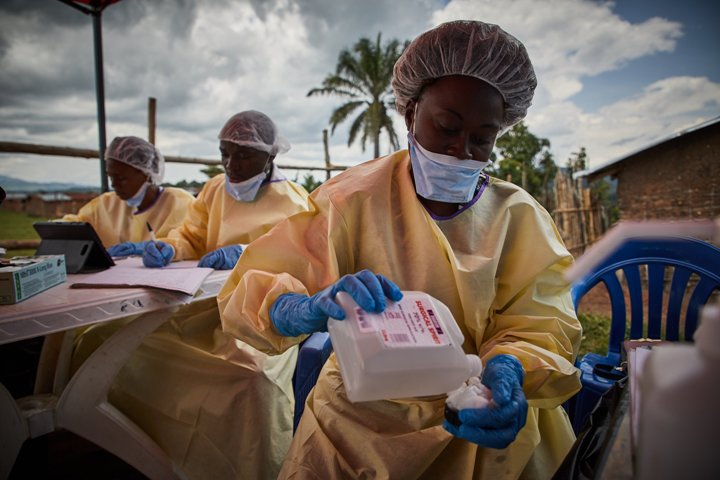
Women and girls continue to bear a disproportionate share of the impact during Ebola outbreaks, not because they are biologically more vulnerable to the virus, but because of the essential caregiving roles they often perform within families, communities and healthcare systems.
According to recent data from the ongoing Ebola outbreak affecting parts of the Democratic Republic of Congo (DRC) and Uganda, women account for more than 53 percent of laboratory-confirmed cases. Among adolescents, girls represent more than 61 percent of confirmed infections where demographic information is available.
Health experts say the pattern has repeated itself across multiple Ebola outbreaks over the past five decades. Women are frequently the first to care for sick relatives at home, work as nurses, cleaners and midwives in healthcare facilities, and often take responsibility for preparing loved ones for burial. These responsibilities place them in close physical contact with infected individuals during the stages when the virus is most easily transmitted.
The current outbreak involves the Bundibugyo strain of Ebola, which has no approved vaccine or specific treatment, making prevention, early detection and supportive care especially important.
Pregnancy, healthcare disruptions and economic hardship deepen the crisis
Ebola presents particularly severe risks for pregnant women. Medical experts note that infection during pregnancy is associated with an extremely high likelihood of pregnancy loss and significantly increases the risk of serious complications for the mother.
The impact extends far beyond infection itself. Fear of contracting the virus can discourage pregnant women from attending routine medical appointments or seeking care during childbirth. As a result, preventable complications may go untreated, creating additional health risks for both mothers and babies.
Public health emergencies such as Ebola outbreaks also place enormous strain on healthcare systems. Services that women and girls rely on, including reproductive healthcare, maternal services and support for survivors of violence, often become less accessible as resources are redirected toward outbreak response efforts.
Economic pressures can be equally severe. Many women working in informal markets, small businesses and cross-border trade lose income when movement restrictions are introduced to contain the spread of disease. In communities already facing food insecurity, these disruptions can place additional pressure on women who are often responsible for feeding and caring for their families.
In parts of eastern DRC, where the current outbreak is unfolding amid an existing humanitarian crisis, millions of people already face acute food shortages. Movement restrictions, market disruptions and increased caregiving responsibilities have added to the challenges confronting many households.
Outbreak response must address the needs of women and girls
Experts warn that disease outbreaks can worsen existing inequalities and increase the risk of violence against women and girls. Quarantine measures and movement restrictions may leave some women isolated from support networks while increasing exposure to abusive situations within households.
Health organizations are calling for outbreak responses that take these risks into account from the outset. This includes ensuring women have access to accurate information, healthcare services, protective equipment and decision-making processes that affect their communities.
UN Women is working alongside governments, humanitarian agencies and local organizations in affected areas to support community awareness campaigns, strengthen access to information and provide funding for women-led groups involved in Ebola response efforts. These organizations often serve as trusted sources of information and support, helping communities understand how Ebola spreads, where to seek treatment and how to reduce the risk of infection.
Health experts stress that investing in women is a critical part of controlling outbreaks. Strengthening community healthcare systems, supporting frontline workers and ensuring women have access to essential services can improve outbreak response while building more resilient health systems for the future.
As the current outbreak continues, international agencies emphasize that understanding the experiences of women and girls is essential to preventing further infections, protecting vulnerable communities and improving long-term public health outcomes.


 Google News