

Middle East Tensions: US-Israel's Strategic Moves Against Iran
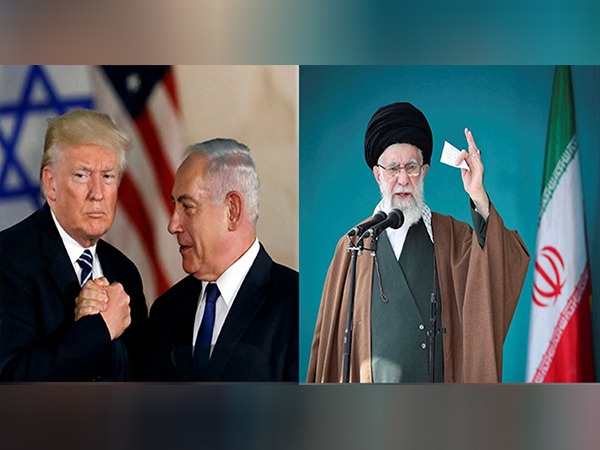
The recent escalation between Israel and Iran, supported by the US, highlights geopolitical tensions in West Asia. With historical animosities and strategic interests, the involvement of the Houthis and potential implications on energy markets, including India’s economic reliance on oil routes, underscore the regional complexities and global repercussions of this conflict.
- Country:
- India
On June 13, global attention shifted when Israel launched significant attacks on Iran's military and nuclear sites, raising fears of broader confrontation. This move, supported by the US, reflects deep-seated regional rivalries in West Asia, as the Houthis of Yemen also took sides, declaring it a war against US interests.
The tensions between Israel and Iran are longstanding, fueled by opposition to Western dominance and regional hegemony. Israel's strikes focus on limiting Iran's nuclear capabilities, though international observers suggest broader political motives. Waiel Awwad, a noted Middle East expert, discusses the geopolitical ramifications of these actions.
The conflict holds significant implications for global economics, particularly for nations like India, heavily reliant on Middle Eastern oil. With potential disruptions to the Strait of Hormuz, questions arise about India's strategies to mitigate energy supply risks. The unfolding situation underscores a complex geopolitical landscape with global economic stakes.
ALSO READ
-
Air Cargo Demand Climbs 4.4% as Airlines Face Soaring Fuel Costs Ahead of Peak Season
-
Poverty in the Line of Fire: UN Experts Demand Iran End Border Courier Killings
-
Iran’s Civilians Trapped Between State Repression and Deadly Strikes, UN Warns
-
UN Experts See UK Settlement Curbs as Turning Point, Urge Action Over Occupation
-
Lee Jae Myung's Diplomatic Milestones: Balancing Amidst Global Tensions


 Google News