

U.S. Scholars' Visit to Xinjiang Sparks Fresh International Debate on China's Uyghur Policies
A curated visit by U.S. academics to Xinjiang has reignited global scrutiny of China’s treatment of the Uyghur population. While participants praised cultural coexistence, critics allege the trip supports China's propaganda, masking ongoing human rights abuses, forced labor, and cultural assimilation in the region.
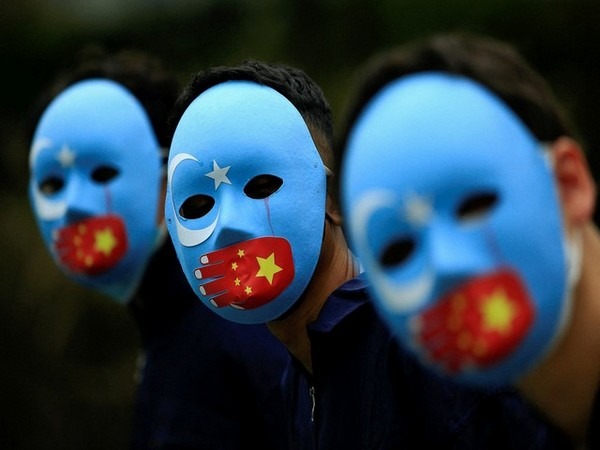
A recent visit to Xinjiang by U.S. academics, including Princeton University Press officials, has rekindled international focus on China's controversial policies towards ethnic Uyghurs in the region. While the trip was reportedly to enhance cultural understanding, it has instead drawn sharp criticism for allegedly aiding Chinese propaganda efforts.
Participants in the government-orchestrated visit praised the cultural diversity they observed, with one expressing eagerness to share stories of what was described as cultural harmony. However, observers, including human rights activists, accuse the visit of glossing over severe human rights violations, including mass detention and forced labor.
The Chinese government is said to have replaced visible mass detentions with more insidious forms of forced labor and cultural repression, according to experts. The international community remains divided, with organizations like Human Rights Watch condemning China's ongoing policies in Xinjiang as crimes against humanity.


 Google News