

Shafi Burfat Criticizes Sanctions, Calls for Principled Diplomacy
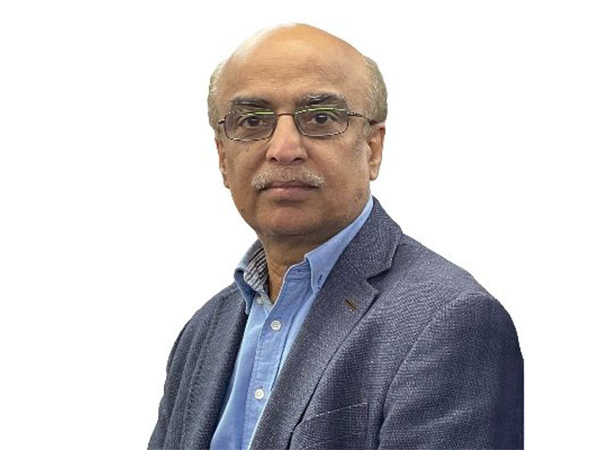
Shafi Burfat, JSMM Chairman, critiques the global trend of using sanctions and tariffs as diplomatic tools. He argues that such measures harm civilians, weaken international cooperation, and perpetuate instability. Burfat calls for a return to principled diplomacy, emphasizing justice and equality in global politics.
- Country:
- Germany
In a sharp critique of modern diplomatic practices, Shafi Burfat, Chairman of Jeay Sindh Muttahida Mahaz (JSMM), has denounced the increasing reliance on sanctions and tariffs by powerful nations. Speaking from Frankfurt, Burfat described these tactics as failures of diplomacy that threaten global peace and security.
According to Burfat, diplomacy historically rested on dialogue and negotiation, but coercion now overshadows these foundations. He contends that sanctions often cause more harm than good, disproportionately affecting civilians without achieving meaningful reforms. Similarly, tariffs, justified in the name of national interest, disturb global trade and foster distrust.
Burfat highlighted how such practices undermine international cooperation and destabilize the multilateral order post-World War II. Institutions like the UN and WTO, designed to counter unilateral moves, see their authority dwindling. He called for reinvigorating diplomacy founded on justice, equality, and respect, emphasizing the release of oppressed nations, including Sindhudesh, as a diplomatic success.


 Google News