

South Korea's Constitutional Crossroads: The Impeachment Trial of President Yoon
The Constitutional Court of South Korea is tasked with deciding the fate of President Yoon Suk Yeol after his impeachment over a brief martial law declaration. The court's impartiality is highlighted as various judges, with diverse political leanings, prepare for the high-stakes decision on Yoon's removal.
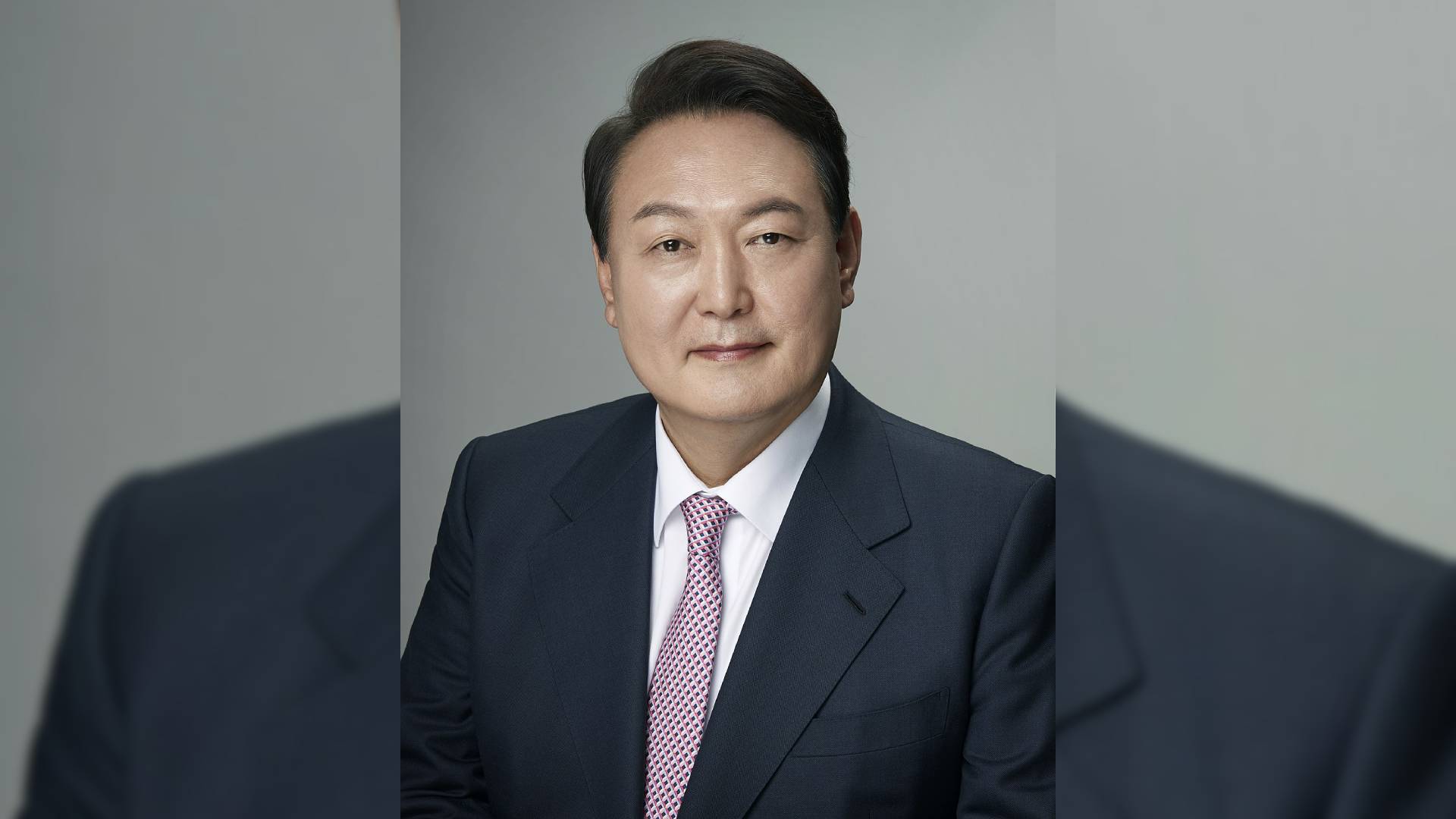
The future of South Korea's President Yoon Suk Yeol lies in the balance as the country's Constitutional Court deliberates his impeachment following a short-lived martial law announcement on December 3. The court, known for its nonpartisan judgments, faces pressure from both ruling and opposition parties regarding impending bench appointments.
The justices include a mix of liberal and conservative voices, with ongoing debates on the inclusion of Ma Eun-hyuk as the ninth member, as nominees balance impartiality in this landmark trial. Among the sitting justices, Moon Hyungbae brings significant judicial experience, previously supporting progressive rulings on contentious issues.
The country's judicial system now stands at a pivotal moment, with each justice's decision potentially shaping South Korea's political landscape. As the court navigates this complex case, all eyes are on the timeline, with constitutional and legal challenges awaiting final resolution.


 Google News