

Amit Shah Speaks on Waqf Amendments, Dismissing Opposition's Fears and Misconceptions
Shri Shah made it clear that Waqf is not applicable to government property or someone else’s land but can only be established from private property.
- Country:
- India
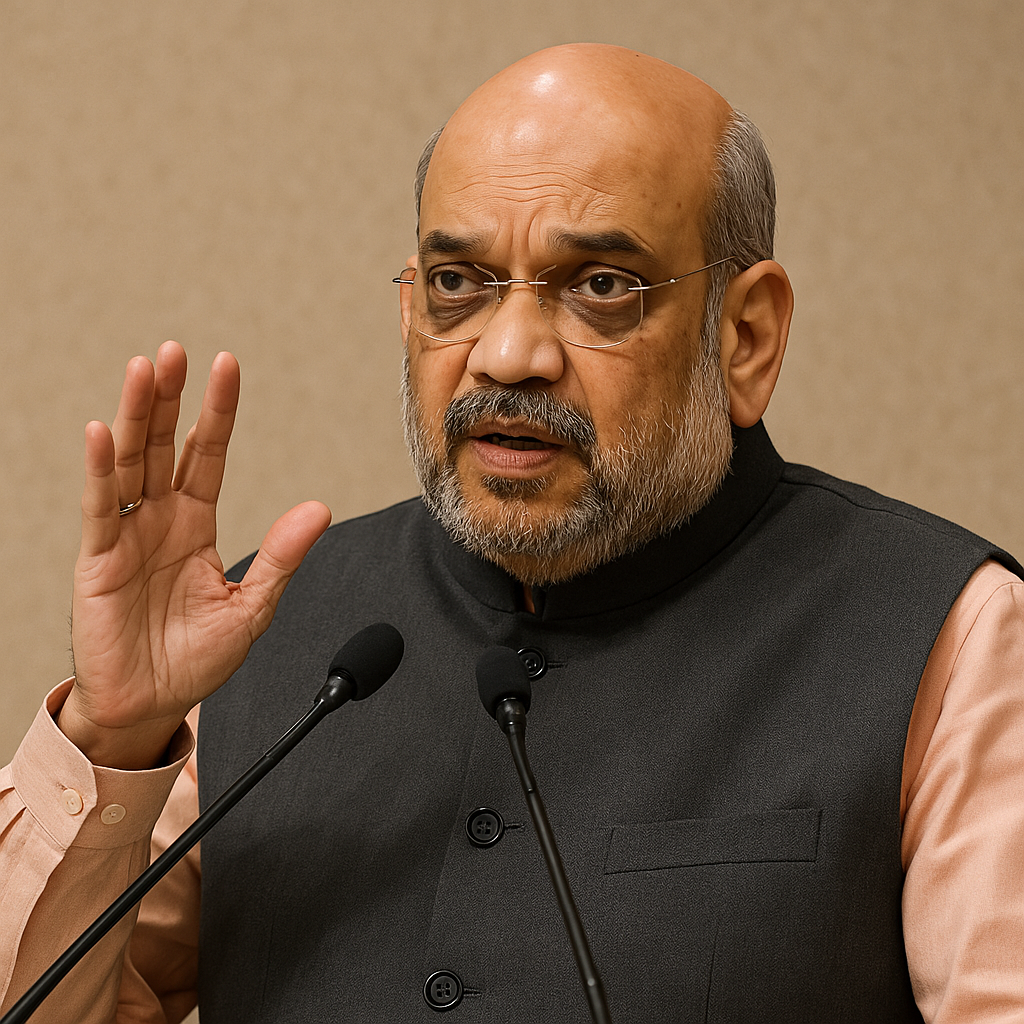
On April 2, 2025, Union Home Minister and Minister of Cooperation, Shri Amit Shah, participated in a crucial discussion in the Lok Sabha regarding the Waqf (Amendment) Bill, 2025 and the Mussalman Wakf (Repeal) Bill, 2024. His address was aimed at clarifying the purpose of the new bills, addressing misconceptions, and explaining how they would contribute to the better management and welfare of the Waqf properties, rather than interfering with the religious rights of Muslims.
Waqf Explained: A Historical and Religious Perspective
During his speech, Shri Amit Shah elaborated on the history and significance of the term "Waqf," which, in Arabic, refers to the act of donating property in the name of Allah for religious or social welfare purposes. He highlighted that the contemporary understanding of Waqf emerged during the rule of Hazrat Umar, the second caliph of Islam, and that it remains a form of charitable endowment in today's world.
Shri Shah made it clear that Waqf is not applicable to government property or someone else's land but can only be established from private property. This clarification was made to combat the confusion surrounding the nature of Waqf donations.
A Clear Distinction Between Religious Activities and Administrative Affairs
One of the central points raised by Shri Shah was the administrative nature of the Waqf Board's functioning. He emphasized that no non-Islamic individual would be involved in religious activities related to Waqf, nor would they influence the religious affairs of the Muslim community. Non-Muslims may only be involved in the administrative process to ensure the proper management of Waqf properties, a practice consistent with charity laws. The role of such members, according to Shri Shah, would be to oversee the correct use and management of Waqf land and assets, not to interfere with its religious context.
He pointed out that Waqf in India functions like a trust, where there are Waqif (donors) and Mutawalli (administrators), both of whom are expected to be followers of Islam. The Home Minister also clarified that the Waqf Board or Waqf properties themselves are not religious institutions, as Waqf deals with the administrative and legal aspects of charitable donations, not the conduct of religious activities.
Addressing Opposition Fears and Misconceptions
Shri Amit Shah strongly refuted the claims made by opposition leaders who have suggested that the amendments to the Waqf law are part of an effort to interfere with Muslim religious practices. He explained that the new bill seeks to address the growing concerns of misuse and mismanagement of Waqf properties, particularly the allocation of vast lands and assets that have been leased or sold under questionable circumstances.
He highlighted several instances where Waqf properties had been exploited, such as the leasing of prime properties in Delhi and Karnataka at extremely low rates. In one example, 1500 acres of land in Honwad village in Karnataka, worth ₹500 crore, was leased to a five-star hotel for just ₹12,000 per month. The Home Minister emphasized that these practices resulted in a significant loss of potential revenue, which could have been used to benefit the Muslim community, particularly for welfare programs targeting the poor, orphaned children, unemployed youth, and divorced women.
Shri Shah pointed out that from 2001 to 2012, properties worth ₹2 lakh crore were leased to private entities for a century at very low rates, and the total area of Waqf land in India had increased significantly after the controversial 2013 amendments. However, this increase came with concerns about the exploitation of these properties. According to the Home Minister, these properties should have been used for the welfare of Muslims, not for personal or commercial gain by wealthy individuals.
Legal and Administrative Reforms: A Transparent System for Waqf Properties
The Waqf (Amendment) Bill, 2025, aims to put in place a transparent audit system to ensure that all Waqf properties are properly managed and used for their intended charitable purposes. The bill also includes a mandatory information disclosure process, which will allow for greater transparency and accountability in the management of Waqf properties.
Additionally, the bill introduces a verification system to ensure that land cannot simply be declared as Waqf property without proper authorization. The District Collector will have the responsibility of verifying the ownership of Waqf properties and ensuring that any claims on these lands are legitimate. The bill also allows for legal challenges to be made against Waqf Board orders, thereby providing a legal recourse for any disputes that may arise.
Protection of Private and Religious Lands
Shri Amit Shah made it clear that private lands and properties belonging to religious institutions such as temples, churches, and gurudwaras will be protected under the new law. He highlighted that the bill includes provisions to safeguard lands owned by the Archaeological Department and lands belonging to tribal communities, ensuring that they cannot be acquired or misused as Waqf property.
Furthermore, the Home Minister emphasized that the law would not allow private property to be donated to Waqf unless the donor was the rightful owner of the property. This provision aims to prevent the illegal transfer of private property into the Waqf system and ensure that the process remains lawful and transparent.
The Role of the Government and Opposition's Politics
Throughout his speech, Shri Amit Shah reiterated that the government's intention is not to interfere with the religious practices of Muslims or their religious institutions. He clarified that the proposed amendments are solely focused on improving the management and use of Waqf properties, with the ultimate goal of ensuring that these assets benefit the community at large.
The Home Minister also criticized the opposition for using fear-mongering tactics to build a vote bank by manipulating the sentiments of the minority community. He pointed out that similar tactics had been used in the past during discussions on issues like the Ram Janmabhoomi temple, Triple Talaq, and the Citizenship Amendment Act (CAA), but the Muslim community had come to realize that these claims were unfounded. He also reminded the opposition that despite their alarmist claims about CAA, not a single person had lost their citizenship due to the law.
Conclusion: A Call for Unity and Transparency
Shri Amit Shah concluded his address by reiterating that the Modi government's primary objective is to ensure justice, transparency, and the welfare of all citizens, regardless of their religion. He stressed that the Waqf reforms would be beneficial to the Muslim community by safeguarding their properties, eliminating misuse, and ensuring that the income from Waqf lands is used for the welfare of the underprivileged sections of society. The government remains committed to upholding the rights and freedoms of every citizen and will continue to work towards ensuring a prosperous future for all.
The Home Minister's speech is a clear message to both the opposition and the public that the Waqf (Amendment) Bill, 2025, is a step forward in ensuring the proper administration and welfare of Waqf properties, free from exploitation or mismanagement.


 Google News