

Supreme Court Decisions Shape Trump Administration's Immigration and Policy Moves
The U.S. Supreme Court has addressed multiple cases challenging executive orders issued by President Trump since taking office in January. These include significant rulings on matters such as birthright citizenship, deportations to third countries, military policies, federal workers' layoffs, and even the dismantling of the Department of Education. Many of these decisions affect legal challenges and redefine the administration's policies.
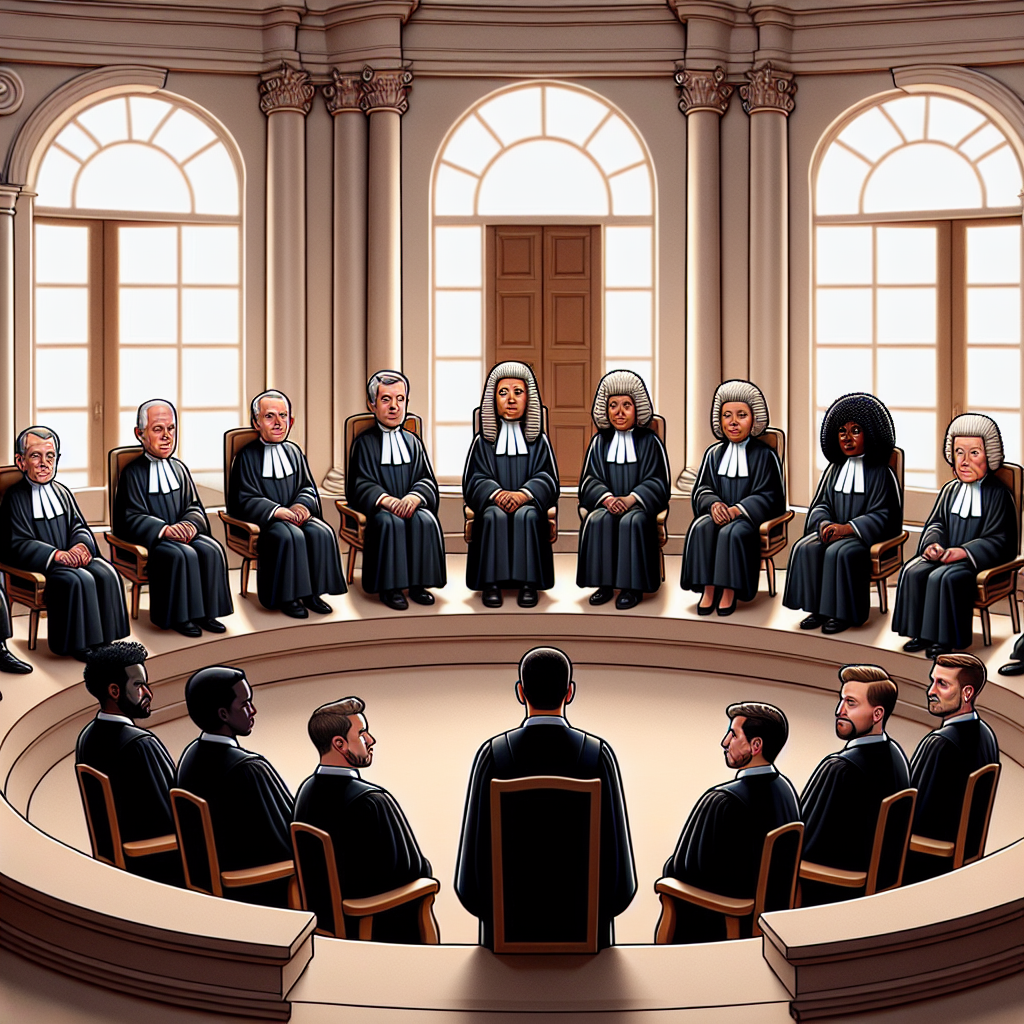
The U.S. Supreme Court has been pivotal in addressing challenges to several executive orders by President Donald Trump since his return to office this January. With cases focusing on areas such as immigration, military policies, and the structuring of federal workforce, the justices have played a significant role in shaping administration policies under legal scrutiny.
The court's decisions have addressed Trump's attempts to limit birthright citizenship, deport migrants to third countries, ban transgender individuals from the military, and revamp the federal workforce. Each ruling has wider implications, setting the course of future legal battles and administrative actions.
These landmark cases highlight the strength and restraints of executive power, challenging norms across citizenship laws, humanitarian migrant protections, military inclusivity, and governmental structural changes. While the legality of these orders is often questioned, the Supreme Court's decisions delineate the boundaries of presidential authority in enforcing such policies.
ALSO READ
-
Lee Jae Myung's Diplomatic Milestones: Balancing Amidst Global Tensions
-
Diplomatic Moves: Takaichi's UN Meeting with Trump
-
Trade War Chessboard: Agriculture, Energy, and Rare Earths in Focus
-
High-Stakes Diplomatic Dance: Trump and Xi's Crucial Summit
-
Trump's Battle with the Airwaves: A Broadcast Controversy


 Google News