

Madagascar's Youth Uprising: A Call for Change
Youth-led protests in Madagascar challenge President Andry Rajoelina's government amidst allegations of repression and corruption. Rejecting offers for dialogue, inspired by similar movements in Kenya and Nepal, protestors demand systemic changes including Rajoelina's resignation. The unrest has resulted in numerous casualties, highlighting deep-seated economic and social issues.
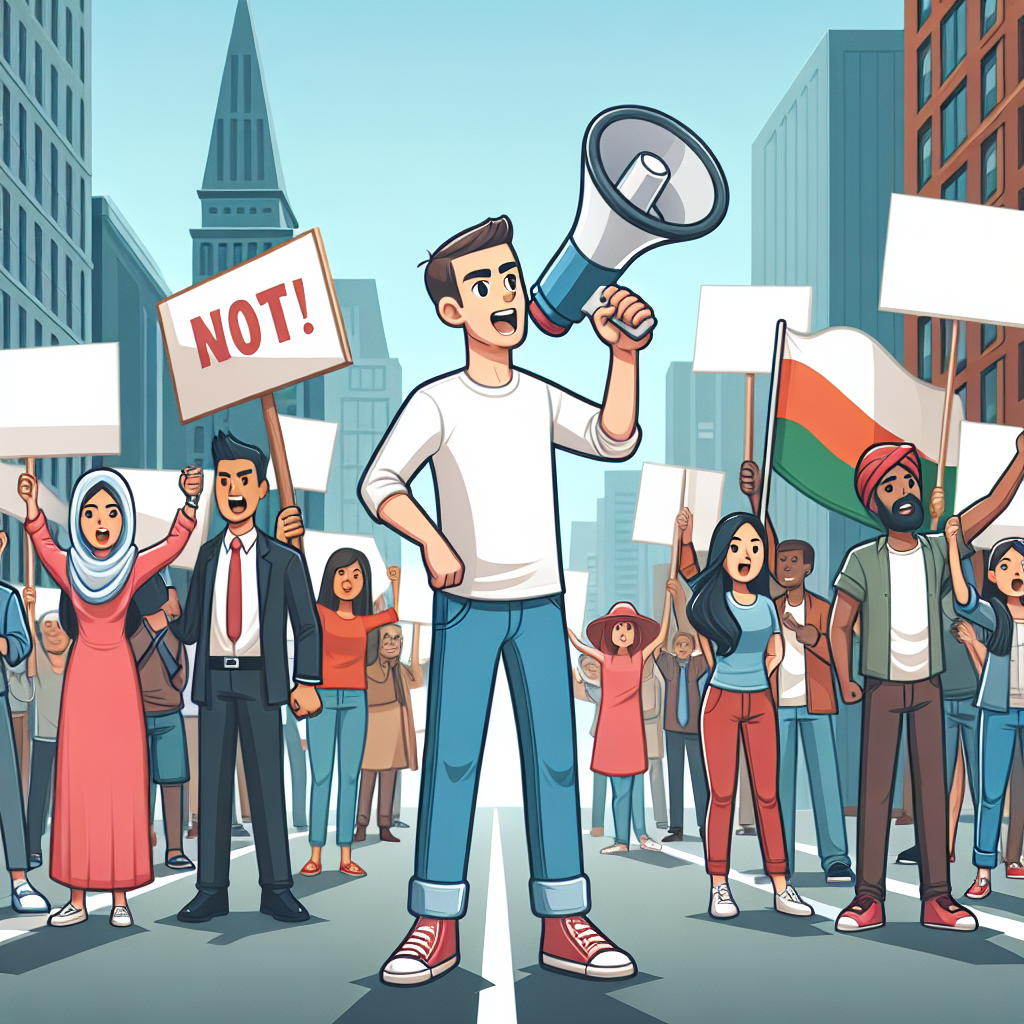
Amidst growing unrest in Madagascar, youth protesters have firmly rejected President Andry Rajoelina's offer to engage in a 'national dialogue.' Demonstrations, which echo similar Gen Z movements in Kenya and Nepal, reflect dissatisfaction over poverty and corruption under Rajoelina's leadership.
The discontent has intensified despite the president's attempts to quell tensions by restructuring his government and initiating dialogue inclusive of spiritual leaders and youth representatives. However, the movement, with expanded demands, insists on Rajoelina's resignation and accountability.
Police actions against demonstrators have exacerbated the situation, and recent incidents indicate a broader demand for systemic reform as public grievances mount. The ongoing protests underscore significant socio-economic challenges, with the nation's export-driven economy wavering in response.
ALSO READ
-
France's Ambitious Plan to Tame Deficit Amid Protests
-
France's Bold Budget Battle: A €54 Billion Deficit Dilemma
-
UN Report Links US to War Crimes in Iran Amidst Crackdown on Protests
-
Syria's Diesel Deal: A Government's Strategic Shift Amid Crisis
-
Bolivia's State of Emergency Extended Amid Ongoing Protests


 Google News