

Maduro Capture Sparks International Legal Debate: U.S. Faces U.N. Scrutiny
The U.S. capture of Venezuelan President Nicolas Maduro has created legal and diplomatic ripples worldwide. While the U.S. cites self-defense as the reason, many allies remain silent due to political tensions with Maduro. Legal experts, however, argue the operation violated international law, causing concerns at the U.N.
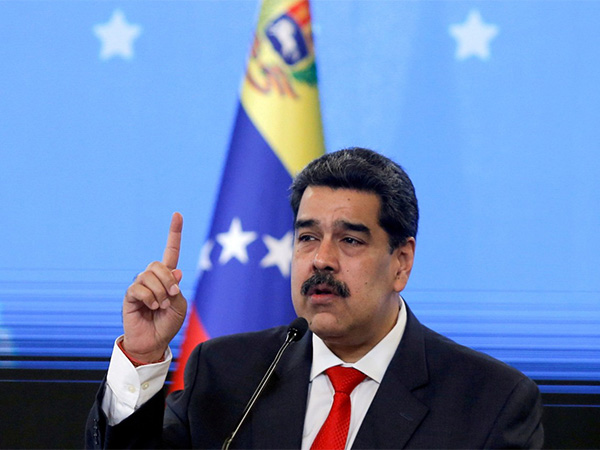
The United States' recent operation to capture Venezuelan President Nicolas Maduro has come under intense scrutiny at the United Nations. Despite the operation's impact on Caracas and its military installations, U.S. allies have largely refrained from criticism due to longstanding political opposition to Maduro.
International debate has erupted over the legality of the operation, with Russia, China, and other allies condemning it as a violation of international law. U.N. Secretary-General Antonio Guterres described the move as 'setting a dangerous precedent.' Yet, U.S. allies remain hesitant to outright challenge Washington's actions.
While the U.S. claims self-defense under Article 51 of the U.N. Charter, legal experts argue the lack of U.N. Security Council authorization denies legitimacy. The complexities of international law and politics make it unlikely that Washington will face direct repercussions, given its veto power in the Security Council.
ALSO READ
-
UNESCO Brings Data to New UN Platform Connecting People With Trusted Information
-
UN Expert Urges Malaysia to Halt Myanmar Returns as Refugees Face War and Violence
-
Longer Lives, Unequal Care: UN Report Exposes Gaps in Support for Older People Globally
-
Century After Slavery Convention, Millions Still Wait for Freedom and Justice
-
Netherlands Pledges Over €309 Million to Strengthen Justice and Prevent Conflict


 Google News