

Korea and WFP Launch $9.3M Initiative to Boost Nutrition and School Meals in Côte d’Ivoire
Beyond nutrition, WFP will also enhance water, sanitation, and hygiene (WASH) facilities, introducing handwashing stations and hygiene education to promote healthier learning environments.
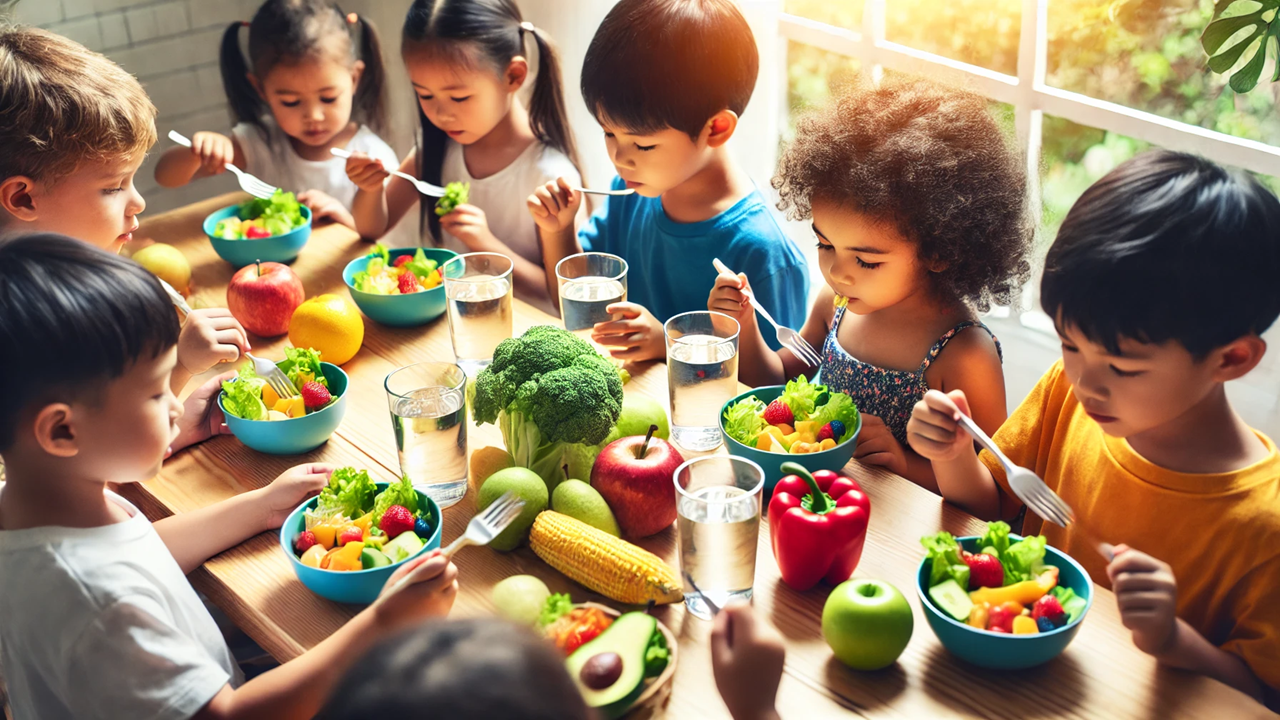
The United Nations World Food Programme (WFP) has announced a landmark partnership with the Government of the Republic of Korea, providing US$9.3 million to advance health, nutrition, and inclusive development in northern Côte d'Ivoire. The contribution, channelled through the Korea International Cooperation Agency (KOICA), will fund a five-year school feeding and agricultural development initiative spanning 2025–2029.
Strengthening Nutrition and Education for 50,000 Children
Under the new programme, WFP will deliver nutritious, locally sourced meals to 50,000 schoolchildren across 200 primary schools in the regions of Bagoué, Bounkani, Poro, and Tchologo. These areas are among the most vulnerable to food insecurity in Côte d'Ivoire, where access to balanced diets and regular schooling remains a challenge for many families.
The initiative aims to boost children's health, attendance, and academic performance by ensuring consistent access to quality meals. Beyond nutrition, WFP will also enhance water, sanitation, and hygiene (WASH) facilities, introducing handwashing stations and hygiene education to promote healthier learning environments.
Empowering Local Farmers and Strengthening Rural Economies
A cornerstone of the project lies in empowering smallholder farmers to sustainably support school meal programmes. Around 100 farmer groups will receive training and technical assistance to improve production practices, crop quality, and post-harvest management.
By linking these farmers directly with school canteens, the initiative seeks to create a reliable market for local produce, stimulate rural economies, and reduce dependence on imported food. This "home-grown" model not only benefits students but also strengthens agricultural value chains and local livelihoods.
"Our partnership with KOICA represents an investment in Côte d'Ivoire's future," said Olivia Hantz, WFP Representative and Country Director for Côte d'Ivoire. "By strengthening national systems and empowering local producers, we ensure that every school meal contributes not only to a child's learning and health, but also to the country's long-term food security and resilience."
A Lesson Rooted in Korea's Experience
The Republic of Korea's engagement reflects lessons from its own post-war history, where school feeding and agricultural development played vital roles in recovery and nation-building.
"This project holds special significance for us," said Kim Sangjun, KOICA Country Director in Côte d'Ivoire. "We learned through our own journey that a single nutritious meal can unlock a child's potential — and that these healthy, empowered children become the foundation of a nation's prosperity. By connecting schools with local farmers, we are investing in that very foundation."
A Multisectoral Partnership for Sustainable Impact
The programme will be implemented in close coordination with the Ivorian government, particularly through the Ministry of National Education and Literacy's Directorate of School Canteens, the Ministry of Agriculture, Rural Development and Food Production, and the Ministry of Health and Public Hygiene.
This cross-sectoral collaboration integrates education, nutrition, health, and agriculture — ensuring that the initiative not only feeds children but also strengthens national systems for long-term sustainability.
Scaling Up WFP's Reach in Côte d'Ivoire
Currently, WFP supports over 166,000 students in 733 schools across Côte d'Ivoire, demonstrating the agency's long-term commitment to improving children's well-being and educational outcomes. The new KOICA-supported project expands that reach, targeting regions where vulnerability and poverty remain high.
"This funding marks a significant milestone in the fight against food insecurity in Côte d'Ivoire," Hantz emphasized. "By improving children's nutrition and education through a sustainable, locally sourced school feeding programme, WFP and KOICA are strengthening human capital and promoting inclusive development for children and communities."


 Google News