

UN Women Calls for Care Work to Be Shared and Valued
UN Women estimates that 45% of working-age women are outside the labour market because of unpaid care responsibilities, compared with only 5% of men.
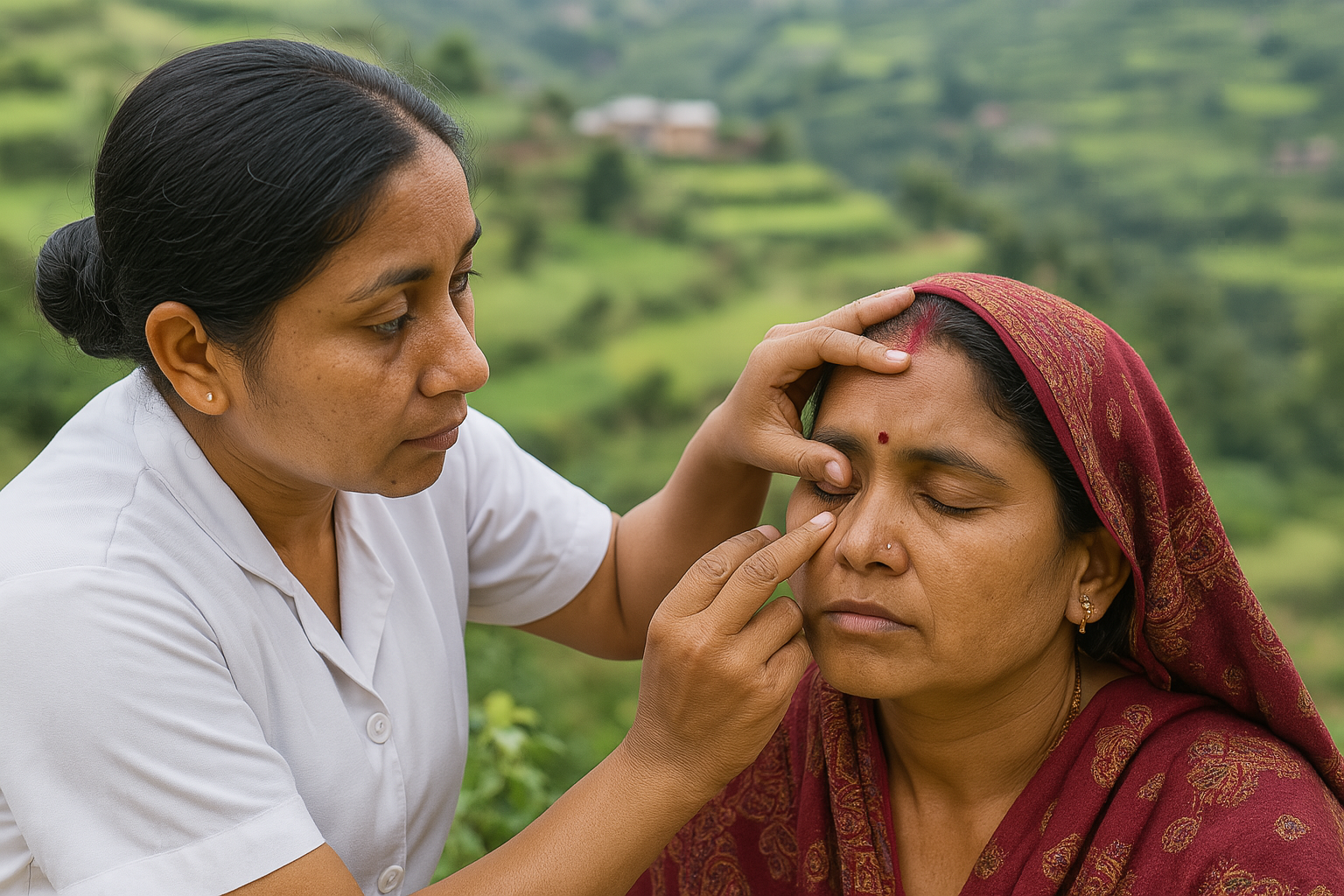
UN Women is calling for a fundamental shift in how care work is recognised, arguing that it is not simply a women's responsibility but a shared reality that supports families, economies, and communities. Every day, paid and unpaid care work—from preparing meals and raising children to supporting older relatives and managing households—keeps societies functioning. Despite its essential role, much of this work remains invisible, undervalued, and disproportionately carried out by women.
According to UN Women, women spend 2.5 times more hours on unpaid care work than men worldwide. They also make up the majority of paid care workers, including domestic workers, carers, nurses, teachers, and nannies, many of whom face low wages, informal employment, and limited access to social protection and workplace benefits.
Unequal responsibilities limit women's opportunities
The unequal distribution of care responsibilities continues to affect women's education, employment, public participation, and personal wellbeing. UN Women estimates that 45% of working-age women are outside the labour market because of unpaid care responsibilities, compared with only 5% of men. The organisation also notes that if unpaid care work were included in national economic calculations, it would account for more than 40% of GDP in some countries, highlighting its enormous but often overlooked economic value.
UN Women says care work should be recognised as a matter of human rights and viewed as skilled work that deserves greater investment, public support, and shared responsibility rather than being treated as a private obligation or a traditional gender role.
Investing in care can strengthen economies
The organisation is urging governments, businesses, communities, and households to build stronger care systems by recognising the value of care work, reducing unpaid domestic labour through better infrastructure and technology, and sharing responsibilities more equally between women and men. It also calls for fair wages, decent working conditions, and stronger social protection for paid care workers, along with greater representation of caregivers in decision-making.
UN Women believes increased public investment in care services, training, and infrastructure would benefit not only caregivers but society as a whole. The organisation argues that closing care gaps can promote gender equality, strengthen labour markets, improve quality of life, and build more resilient economies where everyone can thrive.
ALSO READ
-
Women Leaders Push for Real Power and a Stronger Voice at UNGA81
-
UN Women Launches New AI Hub to Put Women’s Rights at Heart of Digital Future
-
UN Women Urges Peace Funding as Global Leaders Back Women’s Role in Security Decisions
-
UN Women and Croatia Call for Global Action to Stop Online Violence Against Women
-
Breaking Cybersecurity’s Gender Barriers: UN Women and GCF Back Women’s Leadership


 Google News