

UNICEF Warns of Worsening Child Nutrition Crisis in Afghanistan
UNICEF Representative in Afghanistan Dr. Tajudeen Oyewale said the report provides an opportunity to respond before children reach severe stages of malnutrition.
- Country:
- Afghanistan
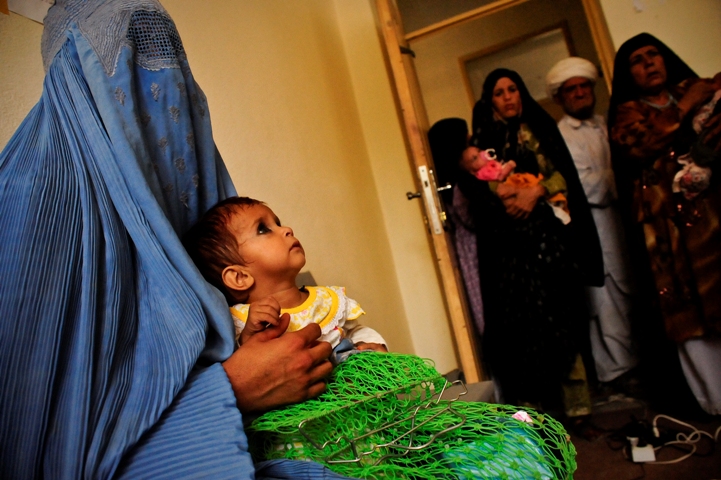
Millions of young children in Afghanistan are facing growing risks of malnutrition as food and nutrition insecurity deepens across the country, prompting UNICEF to call for urgent action before the annual peak wasting season pushes more children into life-threatening conditions.
UNICEF's latest report, Too Little, Too Late: The Diet Crisis Facing Young Children in Afghanistan, estimates that 3.7 million children under the age of five are at greater risk of undernutrition because families are struggling to provide enough nutritious food. The report is the first nationwide assessment in Afghanistan to measure child malnutrition alongside the daily experiences of food and nutrition insecurity within the same group of children across all 34 provinces. Researchers documented warning signs, including children eating fewer types of food, skipping meals, receiving smaller portions than they need or going hungry altogether.
The findings come as Afghanistan enters its annual peak wasting season. According to recent Nutrition Cluster data, wasting has already worsened in 26 of the country's 34 provinces compared with last year, even before the most critical period between July and September. Children under the age of two are bearing the greatest burden, accounting for 83 percent of severe acute malnutrition cases and 77 percent of moderate acute malnutrition cases.
Multiple crises are putting children at greater risk
UNICEF Representative in Afghanistan Dr. Tajudeen Oyewale said the report provides an opportunity to respond before children reach severe stages of malnutrition. He explained that when families begin reducing meals or cutting back on nutritious foods, it is an early warning that children may soon become dangerously wasted. While treatment remains essential, protecting children's diets before their health deteriorates is equally important, especially for infants and pregnant women.
The report also highlights that poor diets are only one part of a wider crisis. Disease outbreaks, low vaccination coverage, inadequate water and sanitation services, funding shortages and limited medical supplies are all contributing to rising levels of child malnutrition across Afghanistan. Together, these challenges are increasing children's vulnerability and placing greater pressure on already stretched health and nutrition services.
UNICEF urges immediate investment before crisis deepens
Wasting is one of the most dangerous forms of malnutrition, leaving children too thin for their height because of inadequate food, illness or a combination of both. Without prompt treatment, it can quickly become life-threatening. The report found that children living in severely food-insecure households are up to six times more likely to suffer from wasting during peak malnutrition periods.
UNICEF is urging governments and donors to provide urgent, flexible funding to expand preventive nutrition programmes before more children become critically ill. The agency is calling for wider implementation of its First Foods Initiative, increased support for children aged 6 to 23 months, stronger preventive nutrition services and better coordination between nutrition, healthcare, water, sanitation, education and social protection programmes. With the peak wasting season approaching rapidly, UNICEF says the opportunity to prevent more children from falling into severe malnutrition is becoming increasingly limited.


 Google News