

Sri Lanka's New Dawn: Dissanayake's Coalition Win and Economic Challenge
Sri Lankan President Anura Kumara Dissanayake clinched a sweeping election victory, promising transformative leftist policies. With a two-thirds parliamentary majority, he faces the significant challenge of guiding the country through its worst financial crisis since gaining independence in 1948, while balancing tax cuts, stronger welfare, and major IMF commitments.
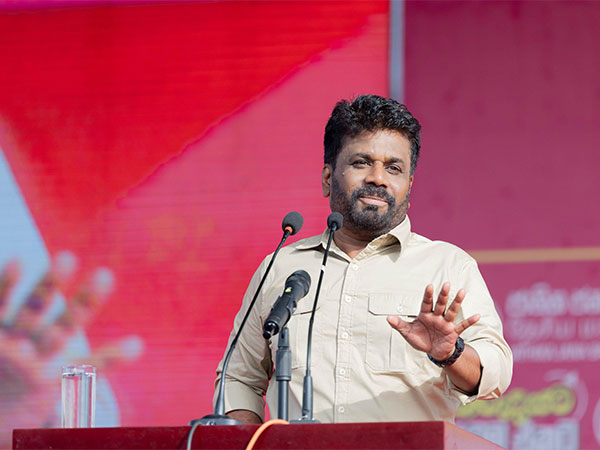
Sri Lanka's political landscape took a decisive turn as President Anura Kumara Dissanayake achieved an astonishing electoral victory, securing a two-thirds majority in parliament. This result signals a growing backing for his leftist vision, yet now he's tasked with navigating the nation out of an unprecedented financial crisis.
Dissanayake, a fresh face from a modest southern farming background, triumphed over entrenched political opponents to claim the presidency. His coalition, mostly comprised of political newcomers, overcame established powers, marking a shift in the country's political dynamics.
Despite ambitious reforms, including tax reductions and enhanced welfare, Dissanayake must reconcile these with a complex $25 billion debt restructuring and a $2.9 billion commitment to the IMF. Observers believe continuity in policy and collaboration with the IMF will be crucial as Sri Lanka edges closer to economic stabilization.


 Google News