

Trudeau's Political Curtain Call: The Rise and Fall of a Canadian Legacy
Canadian Prime Minister Justin Trudeau has announced his decision to step down as leader of the Liberal Party and as prime minister, following significant voter fatigue and political challenges. His nearly decade-long political journey has been marked by both high points and controversies, influencing Canada's modern political landscape.
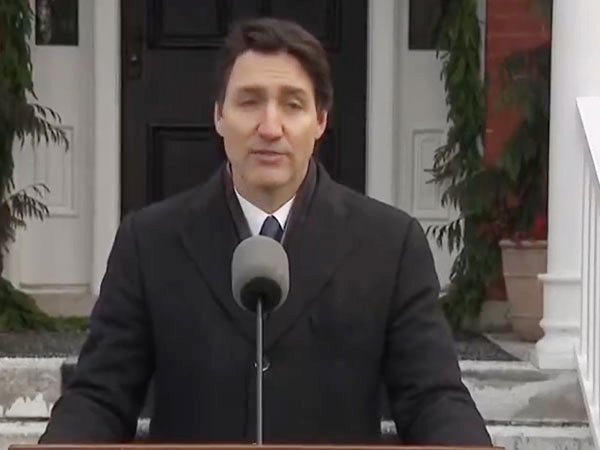
Canadian Prime Minister Justin Trudeau announced his decision to resign from his leadership role once the Liberal Party selects a replacement. This announcement comes amid declining poll numbers, suggesting the Liberal Party would face a substantial defeat by the Conservatives in the upcoming elections.
Trudeau's political journey has seen numerous milestones, beginning with his rise to lead the Liberal Party in 2013 at a time when the party was struggling. His leadership brought the Liberals back to power in 2015, marking a historical victory. However, Trudeau's tenure has not been without controversy, including ethical breaches and scandals such as the SNC-Lavalin affair and the blackface incident.
Recent events further compounded Trudeau's challenges. The loss of key ministers, dwindling party popularity, and economic threats from potential U.S. tariffs have added pressure on his leadership. The New Democratic Party's withdrawal of support and threats by the Bloc Quebecois of a no-confidence motion have led Trudeau to announce his departure as prime minister.


 Google News