

Trump's Executive Order Sparks Free Speech Debate
Former U.S. President Donald Trump signed an executive order claiming to restore free speech and end censorship, despite facing criticism for previously threatening journalists and critics. His actions clash with accusations against the Biden administration, which the Supreme Court ruled did not violate free speech protections.
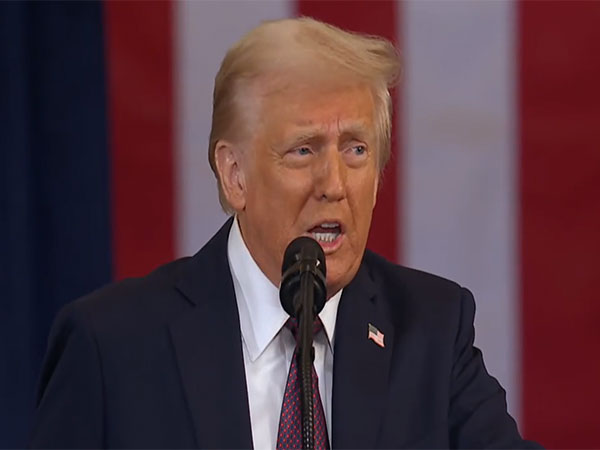
In a bold move Monday, former U.S. President Donald Trump signed an executive order aimed at restoring freedom of speech and ending censorship. Critics swiftly highlighted his history of threatening and suing journalists and dissenters, raising questions about the authenticity of his proclamation.
The order comes as Trump and his Republican allies accuse the Biden administration of suppressing free speech on online platforms, although prior accusations from the previous administration primarily addressed misinformation about vaccines and elections. The U.S. Supreme Court recently ruled that Biden's interactions with social media companies did not breach First Amendment rights.
Despite claiming to support free speech, Trump's actions, such as lawsuits against Hillary Clinton and several media companies, show contradictions. Critics like Professor David Kaye describe the order as a "deeply cynical" exercise. Trump's contentious relationship with the media and critics continues to fuel the ongoing debate over free speech.
ALSO READ
-
Lee Jae Myung's Diplomatic Milestones: Balancing Amidst Global Tensions
-
Diplomatic Moves: Takaichi's UN Meeting with Trump
-
Trade War Chessboard: Agriculture, Energy, and Rare Earths in Focus
-
High-Stakes Diplomatic Dance: Trump and Xi's Crucial Summit
-
Trump's Battle with the Airwaves: A Broadcast Controversy


 Google News