

Averting an Economic Crisis: Colombia's Diplomatic Triumph
Colombia and the U.S. narrowly avoided an economic crisis after resolving a dispute over deportation flights. U.S. tariffs and sanctions threatened Colombia's economy, but a last-minute diplomatic agreement was reached. The crisis highlights tensions between Colombian President Gustavo Petro and U.S. President Donald Trump over immigration policies.
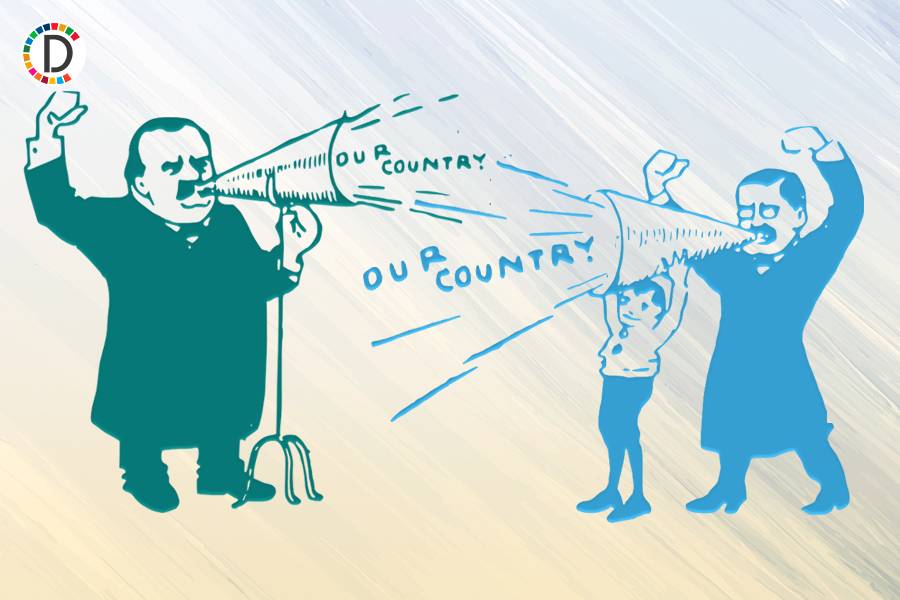
In a diplomatic coup, Colombia's President Gustavo Petro navigated a potential economic disaster, striking a last-minute agreement with the U.S. over deportation flights. Tensions flared after U.S. President Donald Trump threatened sanctions, demanding Colombia accept repatriation flights of deportees as part of his immigration policies.
The breakthrough, facilitated by Colombia's ambassador to the U.S., Daniel Garcia-Pena, involved intense negotiations and resulted in Colombia agreeing to the deportations while securing dignified treatment for its citizens. This averted the imposition of U.S. tariffs on Colombian goods, which could have severely impacted the nation’s economy.
Despite the resolution, frustrations simmered amongst Colombians waiting for U.S. visa appointments, reflecting broader discontent with how the matter was handled diplomatically. The incident underscores the fragile nature of U.S.-Colombia relations amid the broader geopolitical climate.
ALSO READ
-
Colombia’s Former Enemies Join Search for Disappeared as UN Praises Victim Justice
-
Colombia's IMF Gamble: Can Fiscal Reform Restore Confidence Without Sacrificing Economic Growth?
-
Colombia Gets €15 Million Boost to Build Vaccine Capacity and Cut Import Dependence
-
Colombia Secures $200M World Bank Boost for Earthquake Recovery and Rebuilding
-
Colombia’s Tougher Drug Crackdown Could Deepen Racism Against Afro-Colombians


 Google News