

Judicial Clash: Trump's Controversial Deportation of Venezuelans
The Trump administration deported over 200 alleged Venezuelan gang members from the U.S. despite a court order blocking the action. The administration claims the judge has no jurisdiction over the president's use of the Alien Enemies Act. This has sparked a debate on the limits of executive power.
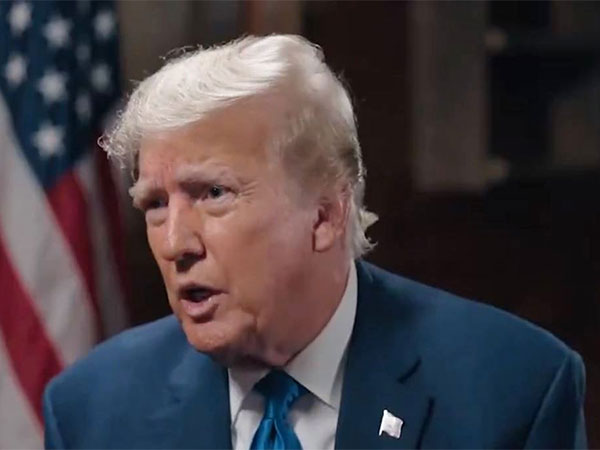
The Trump administration recently faced intense scrutiny after deporting over 200 alleged Venezuelan gang members, defying a court order. Legal experts labeled this action as unprecedented, questioning the administration's assertion that the judiciary cannot interfere with presidential authority.
Judge James Boasberg previously halted the deportations, citing the need to respect the constitutional checks and balances. However, White House Press Secretary Karoline Leavitt countered, arguing the judge held no lawful basis to prevent the expulsions, framing the administration's actions as a necessary security measure.
The deportation, believed to have been completed before Boasberg's ruling, triggered debate over executive versus judicial power. The American Civil Liberties Union remains vigilant, demanding adherence to the court's decision and accountability if violations occurred.


 Google News