

Lecornu's Return: Navigating France's Budget Crisis
French President Emmanuel Macron reappoints Sebastien Lecornu as prime minister, aiming to stabilize a divided parliament and pass a crucial 2026 budget. Macron's political maneuvering faces resistance from leftist parties, with potential economic repercussions as France grapples with political instability and the threat of snap elections.
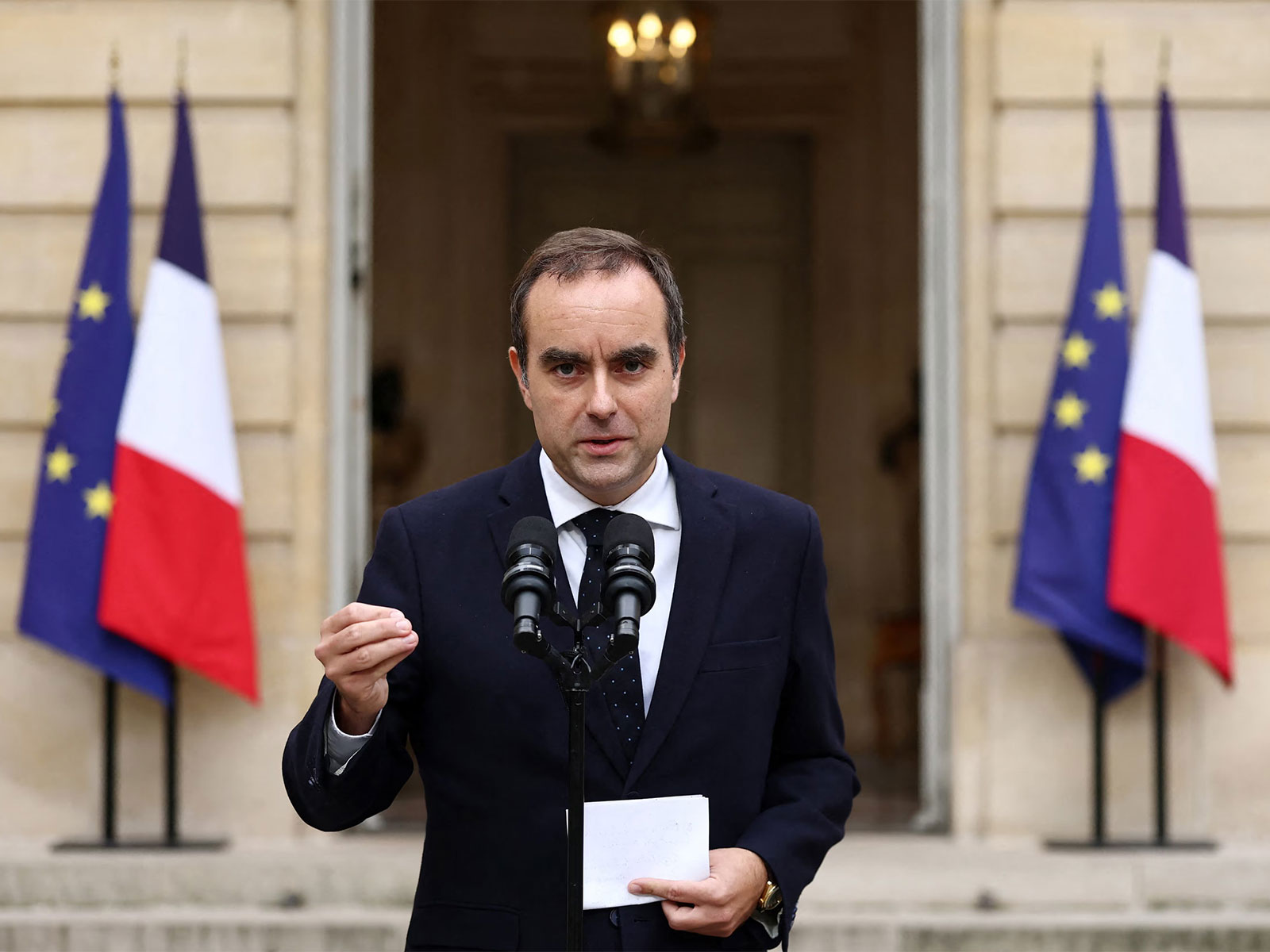
In a bold political maneuver, French President Emmanuel Macron on Friday reappointed Sebastien Lecornu as prime minister, after his brief resignation earlier this week. Macron aims for Lecornu, a loyalist, to secure enough parliamentary support to pass a critical 2026 budget amidst a divided political landscape.
Macron's decision has drawn criticism from political adversaries who argue for early elections or his resignation. With the urgent task of delivering a budget by Monday, Lecornu pledges to resolve France's political crisis and improve the daily lives of its citizens. However, leftist leaders are dismayed by Macron's choice not to appoint a prime minister from their ranks.
Political turbulence has stalled economic growth and unsettled financial markets, largely due to Macron's previous election gamble that resulted in a hung parliament. As budget negotiations continue, conflict arises over the left's demand to reverse pension reforms and impose heavier taxes on the wealthy, clashing with conservative priorities.


 Google News