

U.S. Delays Export Rule: A Strategic Pause or Risky Gamble?
The U.S. has delayed implementing export restrictions for Chinese companies, announced post the Trump-Xi summit. While intended as a negotiation tool, experts warn it could allow Chinese companies time to evade future sanctions, undermining U.S. national security objectives.
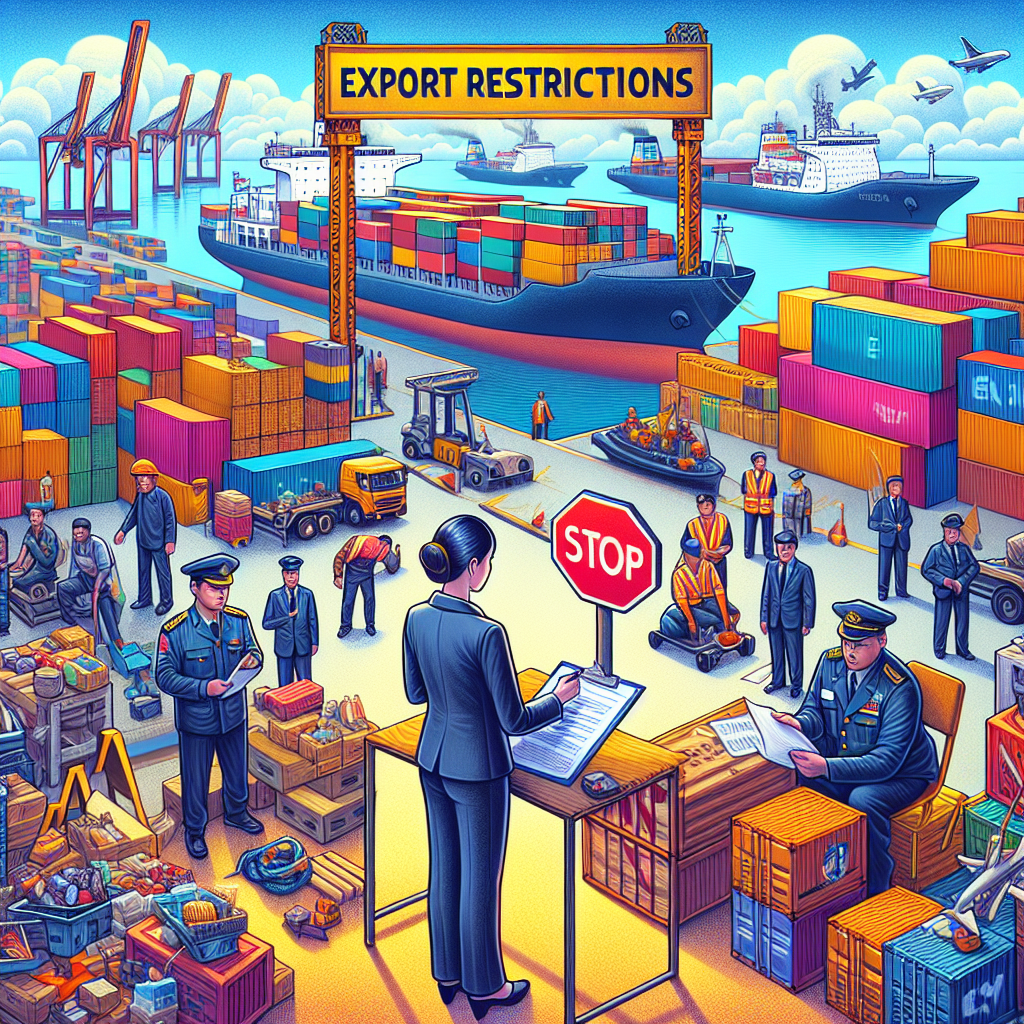
The United States made a strategic decision to delay a rule on export restrictions affecting Chinese companies, a move announced by China following its summit with U.S. President Donald Trump. This decision, seen by some former officials as potentially ineffective, risks allowing firms time to craft legal workarounds.
The one-year suspension of the affiliates rule, designed to stop sanctioned Chinese entities from bypassing U.S. tech export controls, gives these companies a crucial period to adjust their corporate strategies. These strategies might involve restructuring to avoid future restrictions, making the original U.S. measures largely redundant, say industry experts.
Despite the diplomatic context of the delay, the measure significantly expanded export controls to include 20,000 additional firms. It remains to be seen if the initial objectives of securing U.S. national security interests will be met, as trade lawyers warn of ongoing wariness among U.S. companies in dealing with affected Chinese affiliates.


 Google News