

Fall of a Dictator: Maduro's Arrest and Venezuela's Future
Nicolas Maduro's rule over Venezuela ended when U.S. forces, under President Trump's orders, captured him. Known for his oppressive governance, Maduro faced criticism for human rights abuses and economic mishandling, leading to widespread poverty. The U.S. plans a transition for Venezuela until a stable government can be established.
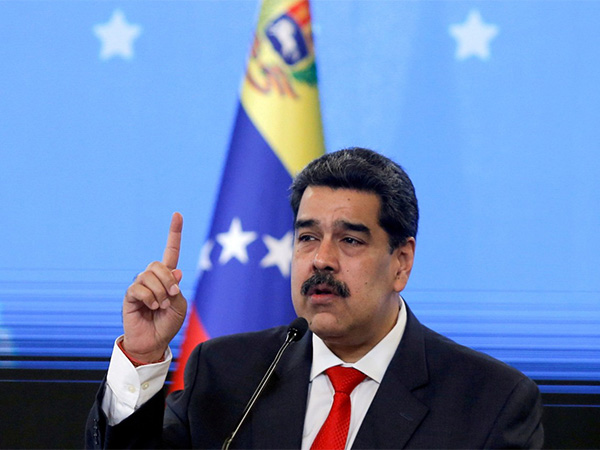
Nicolas Maduro, Venezuela's long-time leader, was captured by U.S. forces under the directive of President Donald Trump, signaling the end of his contentious rule over the beleaguered nation. Maduro, who presided over economic decay and social turmoil, was flown out of the country as the U.S. assumes temporary control.
Throughout his 12-year ascendancy, Maduro faced persistent allegations of human rights abuses, electoral fraud, and systemic corruption while fervently denying U.S. accusations of drug-smuggling and repression. His tenure, however, was marked by vehement resistance to pressure from both domestic and international spheres.
With Venezuela grappling with severe economic collapse, leading to a mass exodus of citizens, an estimated 82% now live in poverty. As a transition begins under U.S. oversight, Maduro's previous supporters and opposition alike await the promised establishment of a safe and judicious governance structure.
ALSO READ
-
Lee Jae Myung's Diplomatic Milestones: Balancing Amidst Global Tensions
-
Venezuelan Central Bank's Gold Transfer Nears Completion
-
Diplomatic Moves: Takaichi's UN Meeting with Trump
-
Trade War Chessboard: Agriculture, Energy, and Rare Earths in Focus
-
High-Stakes Diplomatic Dance: Trump and Xi's Crucial Summit


 Google News