

Myanmar's Controversial Power Shift: Min Aung Hlaing's Rise to the Presidency
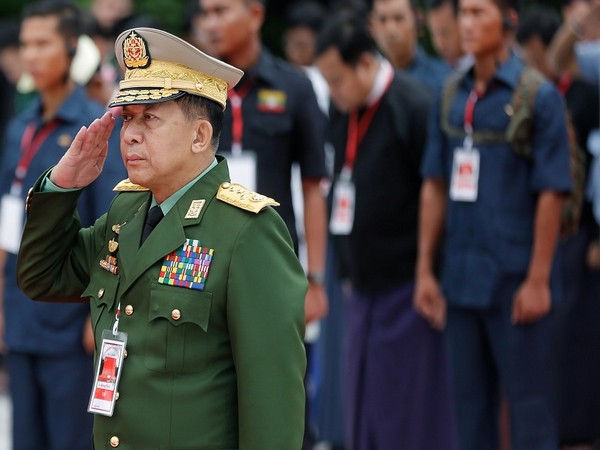
Min Aung Hlaing, a military strongman in Myanmar, was sworn in as president following an election criticized as unfair. His presidency comes amid ongoing civil unrest and challenges, including the unresolved Rohingya crisis. Civil war hindered voting in many areas, raising questions about Myanmar's democratic future under military influence.
- Country:
- Thailand
Min Aung Hlaing, previously known for his rigid leadership as Myanmar's military commander, has ascended to the presidency after an election criticized for being neither free nor fair by international observers. Despite the election's flaws, Min Aung Hlaing has taken office following a tradition of military strongmen seeking to stabilize their rule through contentious electoral processes.
A striking hallmark of his administration is the overwhelming presence of military-aligned individuals in government. Of the 30 new cabinet members, 28 are current or former generals or have direct ties to the military, highlighting the enduring influence of military power in Myanmar's political landscape. The recent election held only in limited areas due to civil war underscores the prevailing instability and the challenges the nation faces in its path towards democracy.
Min Aung Hlaing's leadership previously drew global attention during the Rohingya crisis, and while he pledged to strive for peace with ethnic rebels and improve relations with the Association of Southeast Asian Nations, skepticism remains about his commitment to genuine democratic reform. As Myanmar continues to grapple with the aftereffects of the 2021 coup, Min Aung Hlaing's presidency represents a struggle between military influence and aspirations for democratic governance.
ALSO READ
-
UN Expert Urges Malaysia to Halt Myanmar Returns as Refugees Face War and Violence
-
Malaysia’s Return of 1,476 People to Myanmar Raises UNHCR Fears Over Their Safety
-
Myanmar Market Airstrikes Kill at Least 50 as UN Urges Malaysia to Halt Deportations
-
Myanmar’s Child Labour Trap: Rural Poverty and Education Gaps Threaten a Generation’s Future
-
High-Stakes Diplomacy: U.S. Secures Release of Adam Castillo from Myanmar


 Google News