

Aleksandar Vucic's Political Exit: A Temporary Farewell or Strategic Move?
Aleksandar Vucic's announcement of stepping down as Serbia's president raises skepticism about a complete political exit. With a history of rescinded resignations, Vucic's tenure has been marked by economic growth but also criticism for authoritarianism. Analysts predict a return to his party, amid ongoing protests and allegations of corruption.
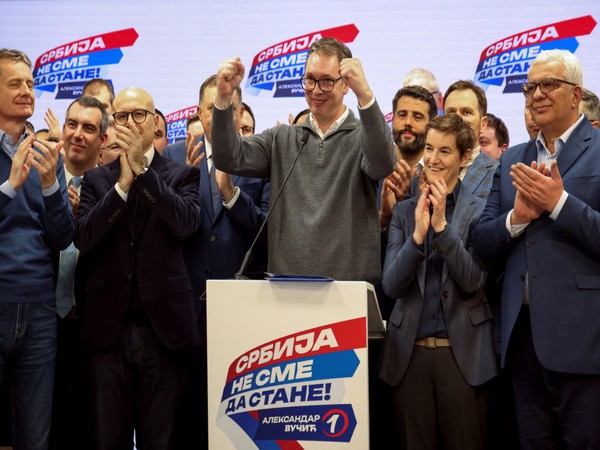
Serbia's President Aleksandar Vucic’s declaration to resign from his position has stirred doubt regarding his complete disappearance from politics. Known for previous claims of dropping out only to retract later, Vucic has been a prominent figure since 2014, with significant influence over Serbia's political landscape.
During his leadership, Serbia witnessed substantial economic development, with drastically reduced unemployment and increased foreign investments. The nation has fostered strategic relationships with global powers like China and Russia. However, critics emphasize rising authoritarianism and corruption, urging systemic change.
Though Vucic's announcement incited mass protests, echoing past discontent over governance issues, many predict his return to his party. Despite promises to step down, Vucic’s enduring grip on power continues to spark debate about Serbia’s democratic future.


 Google News