

Conocarpus Crisis: A Growing Threat to India's Ecosystems and Public Health
The Supreme Court's Central Empowered Committee warns that Conocarpus, a fast-growing exotic species in India, poses ecological and health risks and should be banned nationwide. The tree threatens biodiversity, groundwater, and infrastructure, with negative impacts on health and the environment, leading some states to initiate removal efforts.
- Country:
- India
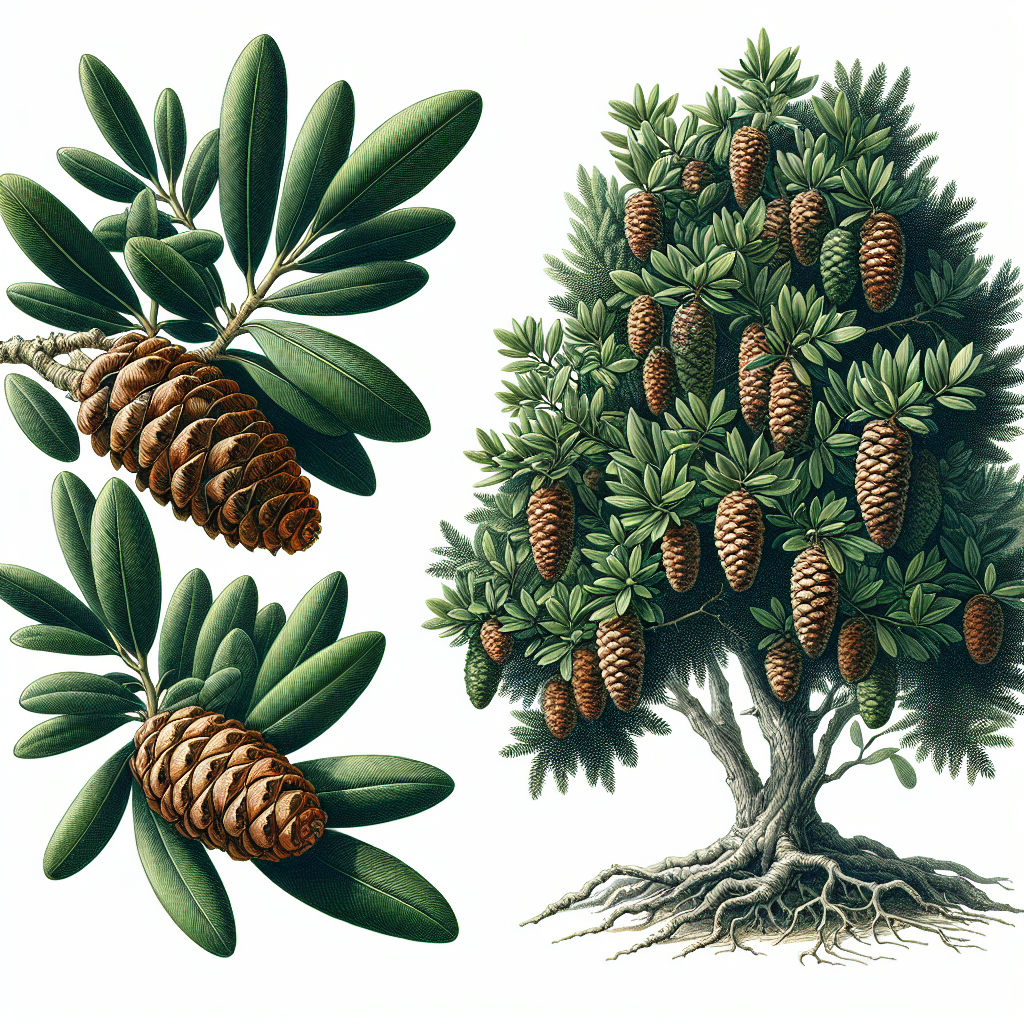
The Central Empowered Committee (CEC), mandated by the Supreme Court, has issued a warning about Conocarpus, an exotic species widely planted in India for urban greening. The CEC calls for a nationwide ban, citing significant ecological and public health risks associated with the tree.
In a detailed 40-page report to the apex court, the CEC describes Conocarpus as "ecologically unsuitable," threatening biodiversity, groundwater, and infrastructure. Its rapid spread has raised concerns over its invasive nature, with serious health implications due to pollen-induced allergies.
States like Gujarat, Tamil Nadu, and Telangana have initiated measures to curb its growth, but the CEC highlights the need for a unified national strategy. The committee urges the environment ministry to classify Conocarpus as an invasive alien species and recommends replacing it with native trees.
ALSO READ
-
IDB Approves $70 Million to Improve Drinking Water for 345,000 People in Honduras
-
Higher Tobacco Taxes Cut Smoking and Show How Health Levies Can Change Daily Lives
-
Better Heat Planning Can Protect Crowds and Ease Pressure on Hospitals, WHO Says
-
Hotter Years, More Cavities? Understanding Link Between Climate and Dental Health
-
Cleaner Kitchens, Polluted Skies: Hidden Health Cost of India’s Electricity Boom


 Google News