

Solar Power's Hidden Cost: Deforestation in Rural Zambia
In rural Zambia, while solar technology is transforming lives, it paradoxically drives deforestation. People are using forest resources to finance solar systems due to lack of affordable credit. This exposes the need for innovative financing models that do not force dependency on forest exploitation.
- Country:
- United States
Across rural Zambia, the introduction of small solar home systems and lanterns has radically transformed daily life, enabling children to study after dark and keeping phones charged. However, this shift has not come without consequences.
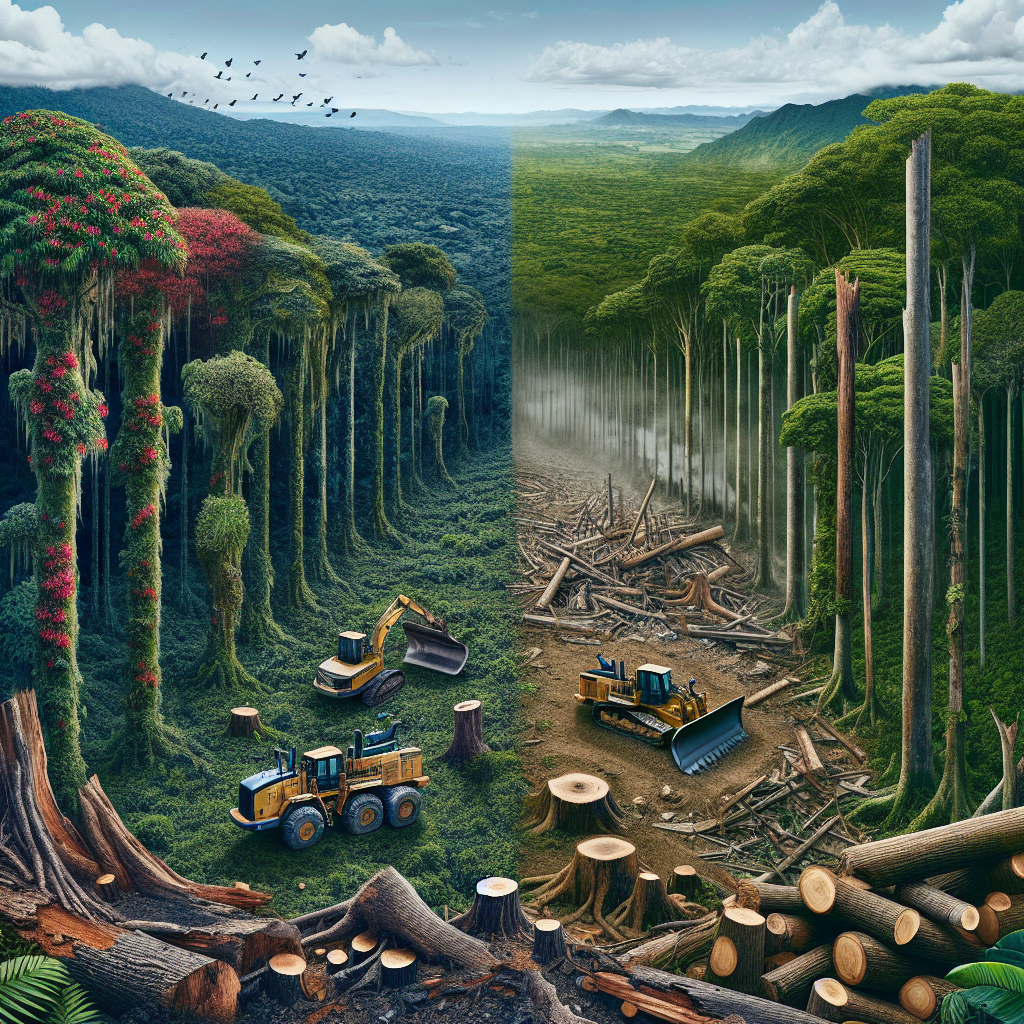
Despite the benefits, the reliance on solar power and its financial demands have intensified deforestation, as many households resort to exploiting forest resources to afford monthly payments for solar systems. This has led to a significant depletion of forest resources, including the once-dense Miombo woodlands.
The challenge lies in the financing model of solar technology, not in the technology itself. Policymakers and global leaders must address this issue by creating inclusive financing solutions that do not depend on forest exploitation, ensuring green energy adoption occurs sustainably.


 Google News