

Unveiling the Boundaries: Space Adventures and Feline Ancestry
A Russian Soyuz MS-28 spacecraft successfully docked with the ISS, although the Baikonur launch pad was damaged during take-off. A genome study has uncovered a critical period in the domestication of cats, revealing their spread from North Africa to Europe, shedding light on feline history.
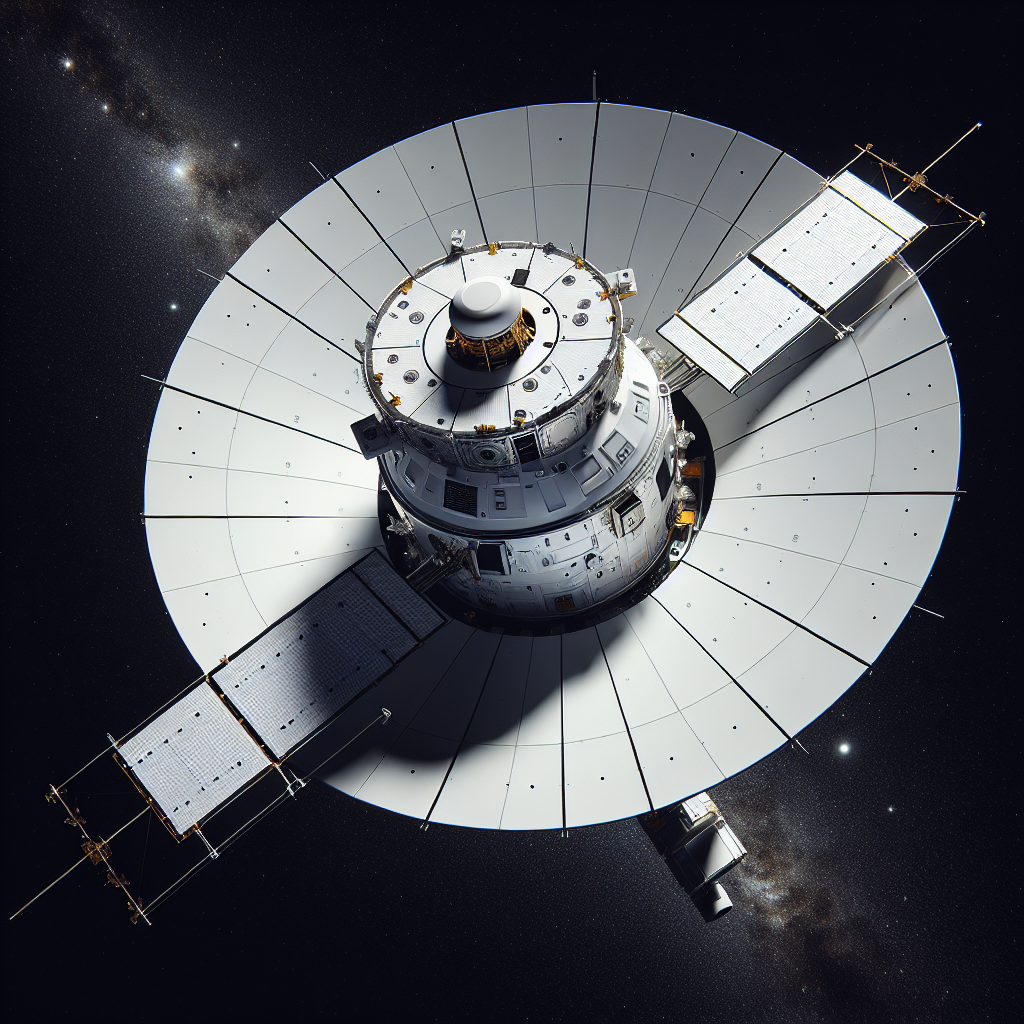
A Russian Soyuz MS-28 spacecraft carrying two Russian cosmonauts and one NASA astronaut has successfully docked with the International Space Station. However, complications arose as the launch pad at Baikonur Cosmodrome was reported damaged, according to Roscosmos.
Despite the successful mission, the damage to the launch site in Kazakhstan is expected to be swiftly repaired, with Russian authorities promising minimal delays to future launches from the site.
In other scientific findings, recent genome studies have highlighted significant developments in cat domestication. These studies have provided groundbreaking insights into how domestic cats spread from North Africa to Europe, enriching our understanding of feline history.


 Google News