

The Wild Horses of Chernobyl: Nature's Resilient Return
The Chernobyl exclusion zone, once a human evacuation area due to the 1986 nuclear disaster, now hosts a thriving ecosystem of wildlife. Przewalski's horses, introduced as an experiment, roam freely and adapt to the radioactive landscape, alongside wolves, brown bears, and other animals. However, new threats from military activity pose challenges.
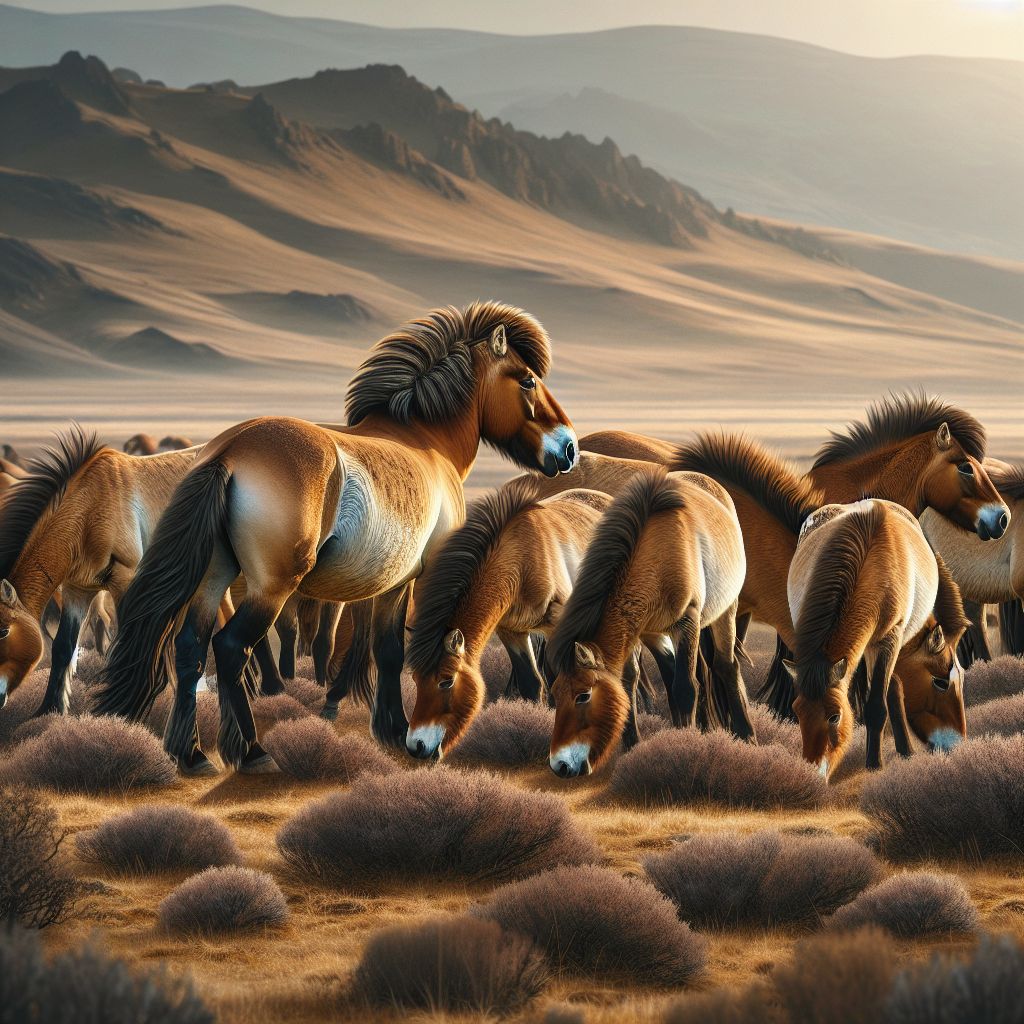
In the Chernobyl exclusion zone, a resilient ecosystem flourishes despite lingering radiation. Przewalski's horses, nearly extinct in Mongolia, were introduced in 1998 and now roam freely, grazing in a landscape once deemed uninhabitable. This transformation is a testament to nature's adaptability.
The exclusion zone resembles a bygone European landscape. As wildlife returns, the region sees a surge in biodiversity with wolves, bears, and other species reclaiming the land. With reduced human interference, nature is rapidly recovering, though scientists note subtle radiation effects on some animal species.
Today, Chernobyl poses new challenges as a military corridor amidst ongoing conflict. Military activities exacerbate radiation risks, turning the zone into an unexpected refuge with grim beauty. Despite these challenges, Chernobyl remains largely off-limits to humans, underscoring a remarkable intersection of natural resilience and human history.


 Google News