

From Wooden Satellites to Dark Matter: Bridging the Cosmos
In recent science news, Japan launched the world's first wooden satellite, LignoSat, testing timber for space use. The Webb Telescope has unveiled early-universe supermassive black holes, offering insight into cosmic formation. Axiom Space considers Indian rockets, and Russia launched a Soyuz rocket with 55 satellites for space weather monitoring.
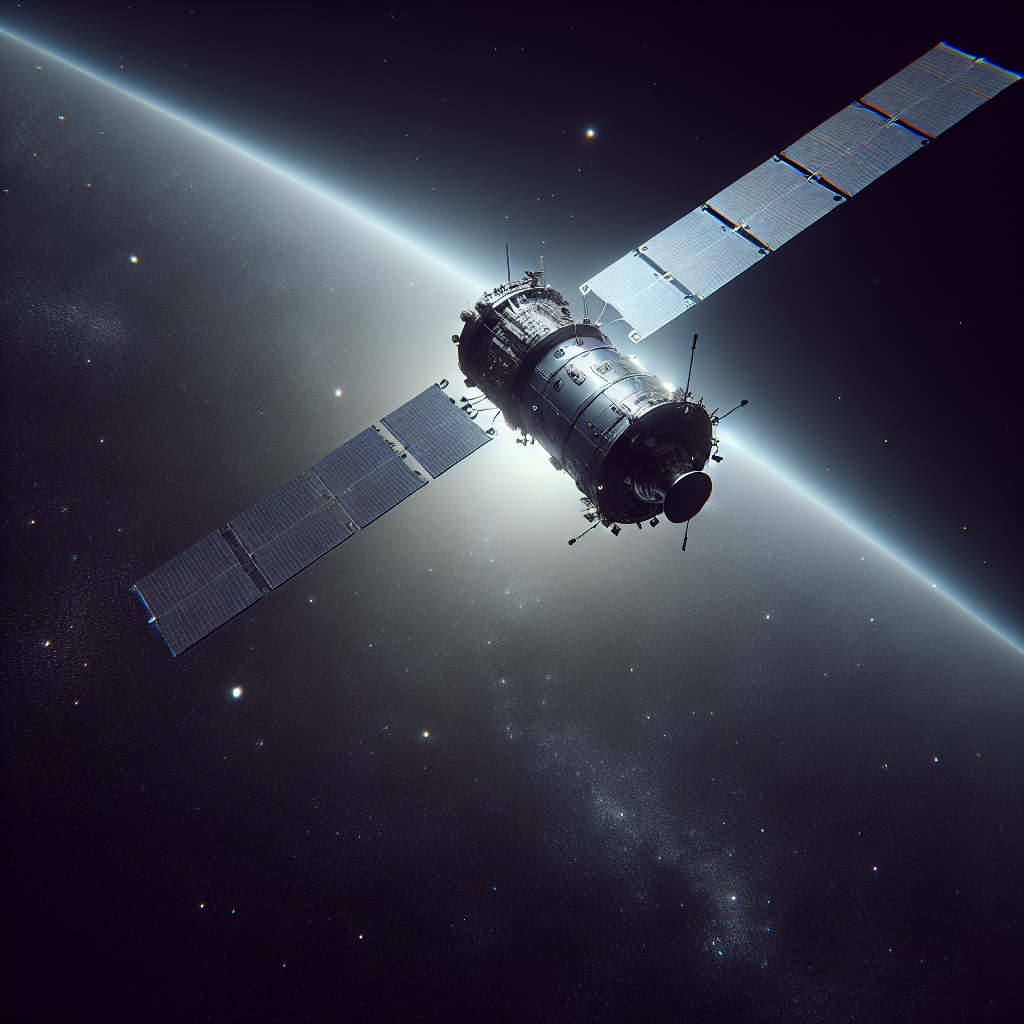
In a groundbreaking move, Japan has launched the world's first wooden satellite, LignoSat, created by Kyoto University and Sumitomo Forestry. This experimental satellite aims to test timber's viability in space exploration, heading to the ISS on a SpaceX mission before entering Earth's orbit.
Astronomers have uncovered surprising developments via the James Webb Space Telescope. Supermassive black holes, found to inhabit the early universe, are puzzling scientists who seek to understand their rapid growth. These discoveries challenge previous assumptions about cosmic timelines and massive objects.
Axiom Space, a U.S. startup, is considering Indian rockets for its mission as it builds a private space station to succeed the ISS. Meanwhile, Russia's Soyuz rocket launched 55 satellites, contributing to space weather monitoring, with two originating from Iran, enhancing global space collaboration.
ALSO READ
-
Japanese Lawmakers Visit India to See Worker Protection and Skills Projects in Action
-
Japan-Backed ILO Projects Help 23,000 Workers Gain Rights and Fight Child Labour
-
Riding the Waves: India's Surfing Olympic Dream
-
Japan's Economic Crossroads: Takaichi's Bold Moves Amidst Debt Concerns
-
Indian Judokas Train in Japan: A Pre-Asian Games Adventure


 Google News