

Trump's 25% Auto Tariff Shakes Global Markets: What's Next for U.S. Car Buyers?
President Donald Trump announced a 25% tariff on imported cars, set to begin next week. This move aims to protect U.S. automotive industries by imposing duties on vehicles and parts, particularly those from trade partners. The plan may strain international relationships and disrupt global auto supply chains.
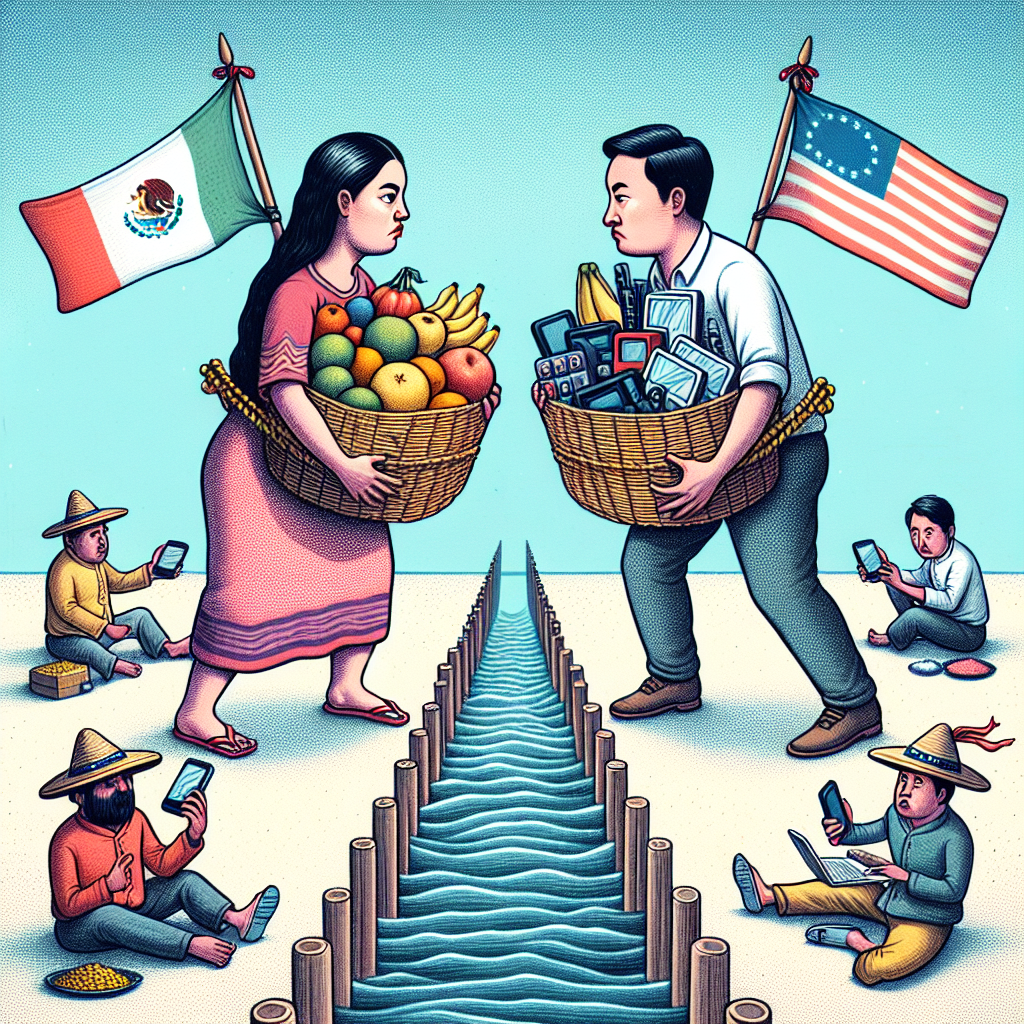
In a bold move that could reshape the automotive landscape, President Donald Trump announced a 25% tariff on imported cars, which will take effect next week. This decision elevates previous tariffs and targets vehicles and parts from the U.S.'s global trade partners.
The new tariffs are expected to create uncertainty both domestically and internationally, particularly affecting countries with free-trade agreements with the U.S., such as Canada, Mexico, South Korea, Japan, and members of the European Union.
While companies like Tesla may see minimal impact due to their domestic production, automakers with significant import operations are gearing up for potential complications in supply chains. The move is seen as an effort to bolster the American automotive industry's competitive edge as Trump invokes a national security rationale behind the tariffs.
ALSO READ
-
Lee Jae Myung's Diplomatic Milestones: Balancing Amidst Global Tensions
-
Diplomatic Moves: Takaichi's UN Meeting with Trump
-
Trade War Chessboard: Agriculture, Energy, and Rare Earths in Focus
-
High-Stakes Diplomatic Dance: Trump and Xi's Crucial Summit
-
Trump's Battle with the Airwaves: A Broadcast Controversy


 Google News