

Indonesian Unrest Sparks Changes Amid Leadership Challenges
Indonesian President Prabowo Subianto cancelled a trip to China amidst escalating protests over lawmakers' pay, ignited further by a police incident. Protests, highlighted by arson and unrest, pose a pivotal challenge for the leadership. Social media platforms face scrutiny for their role in spreading disinformation.
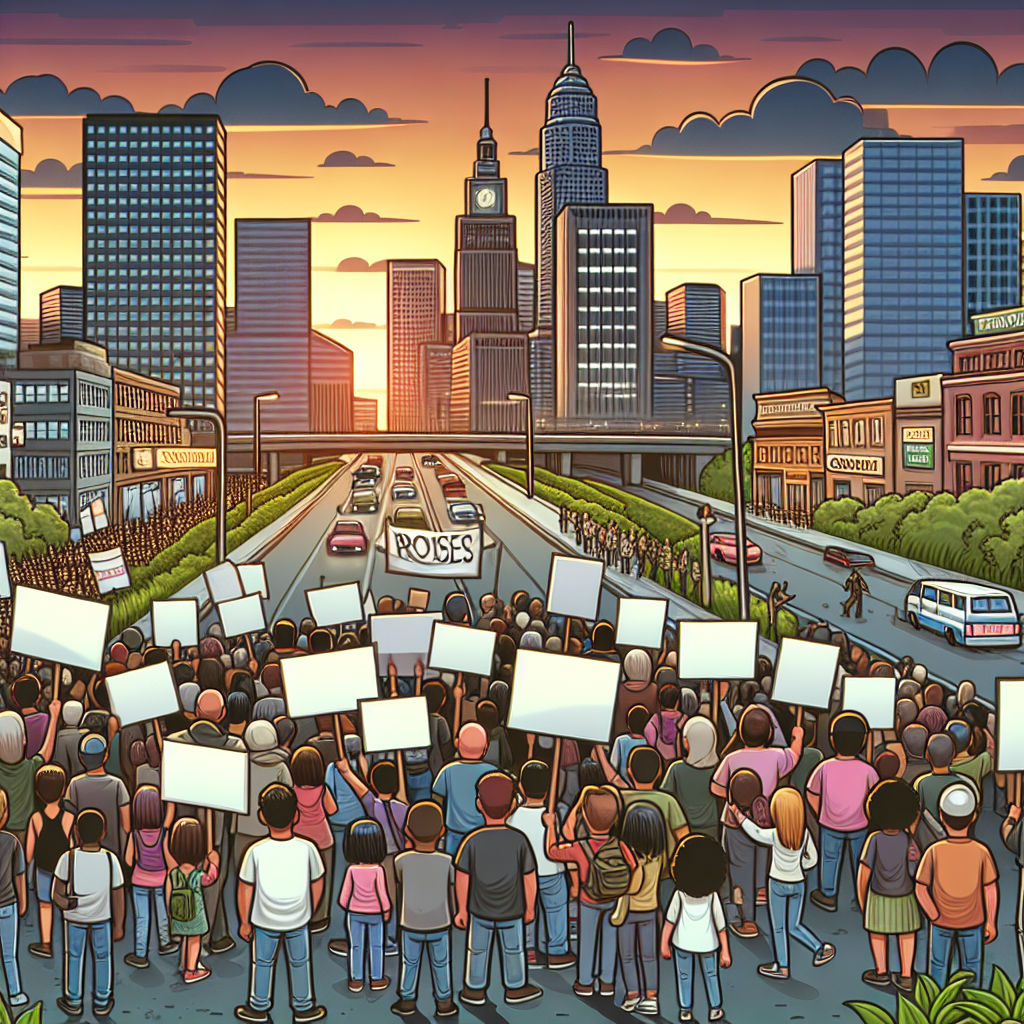
Indonesia's political landscape witnessed a significant upheaval as President Prabowo Subianto cancelled his China visit to address growing domestic protests. These demonstrations, initially sparked by dissatisfaction with lawmakers' pay, intensified after a police vehicle hit a civilian, revealing broader public discontent.
In the wake of the protests, widespread arson incidents were reported across various regions, including the burning of regional parliament buildings. The unrest further extended to Bali, where measures such as teargas were deployed against protesters. The situation demanded Prabowo's attention, compelling him to forgo international engagements for domestic resolution.
The unrest has also highlighted challenges in content moderation on social media platforms as misinformation propagated, exacerbating tensions. Indonesia's government has responded by summoning major tech company representatives, urging enhanced control to prevent disinformation from fueling further protests.
ALSO READ
-
Indonesia's Mega Free Meals Initiative Feeds Millions
-
France's Ambitious Plan to Tame Deficit Amid Protests
-
France's Bold Budget Battle: A €54 Billion Deficit Dilemma
-
UN Report Links US to War Crimes in Iran Amidst Crackdown on Protests
-
Syria's Diesel Deal: A Government's Strategic Shift Amid Crisis


 Google News