

NASA and Boeing Scale Back Starliner Missions Amid Challenges
NASA and Boeing have revised the Starliner spacecraft contract, reducing planned missions from six to four due to ongoing challenges. The original $4.5 billion contract faced delays and technical faults. The next mission, Starliner-1, aimed at cargo delivery, is scheduled for April 2026.
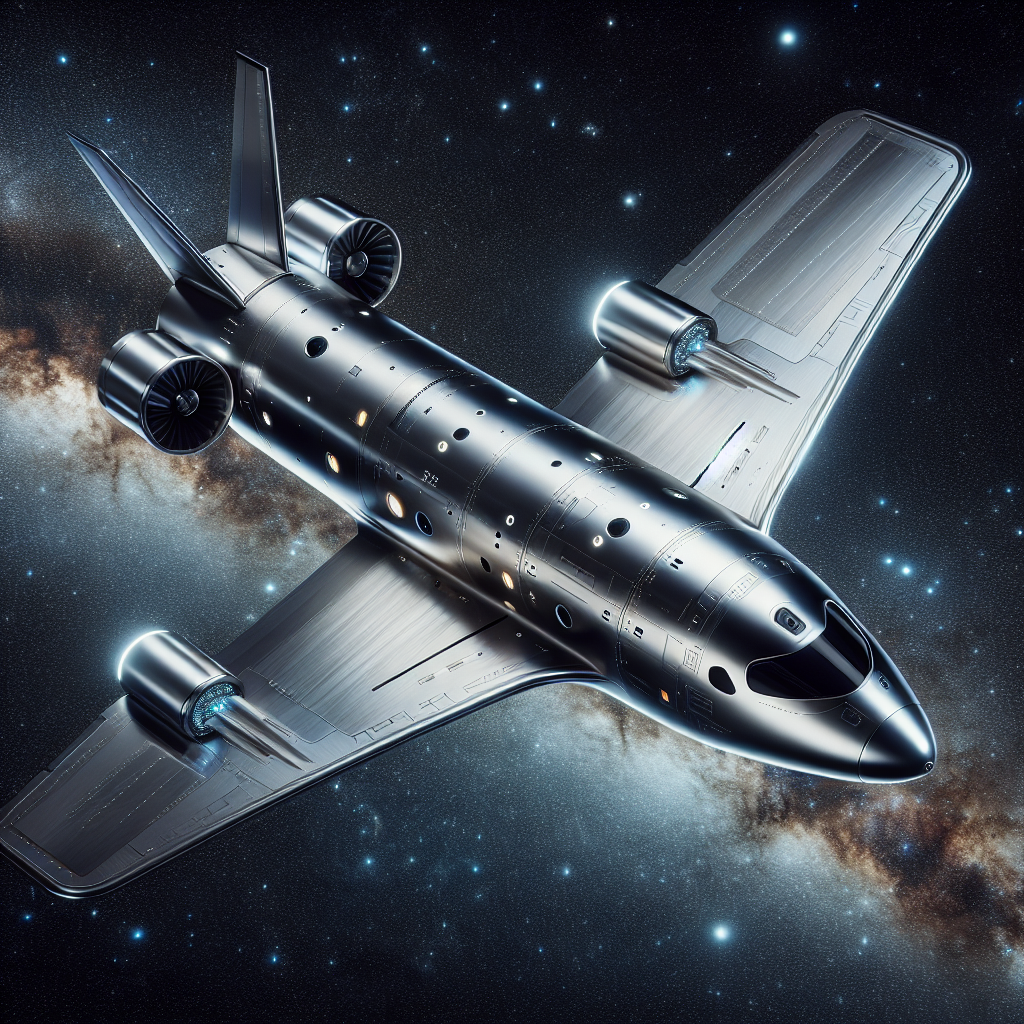
NASA and Boeing have made significant changes to the Starliner spacecraft contract, curtailing the number of missions from six to four, as reported in a statement this Monday. This decision stems from continuous complications faced by the program.
The initial $4.5 billion contract, part of NASA's Commercial Crew Program, anticipated six post-certification missions for the Starliner capsule. However, two of these have now been relegated to optional, following the latest modifications prompted by years of delays, technical issues, and budget overruns that have dogged the initiative.
The Starliner program, costing Boeing over $2 billion since 2016, encountered propulsion system problems during its last mission, keeping its debut crew at the International Space Station for nine months. The subsequent mission, Starliner-1, will carry cargo to the station and is planned for no earlier than April 2026.


 Google News