

Albania Secures $120M World Bank Loan for Fiscal and Green Development
This financing is the second in a two-operation series designed to assist the country in achieving long-term economic and environmental sustainability.
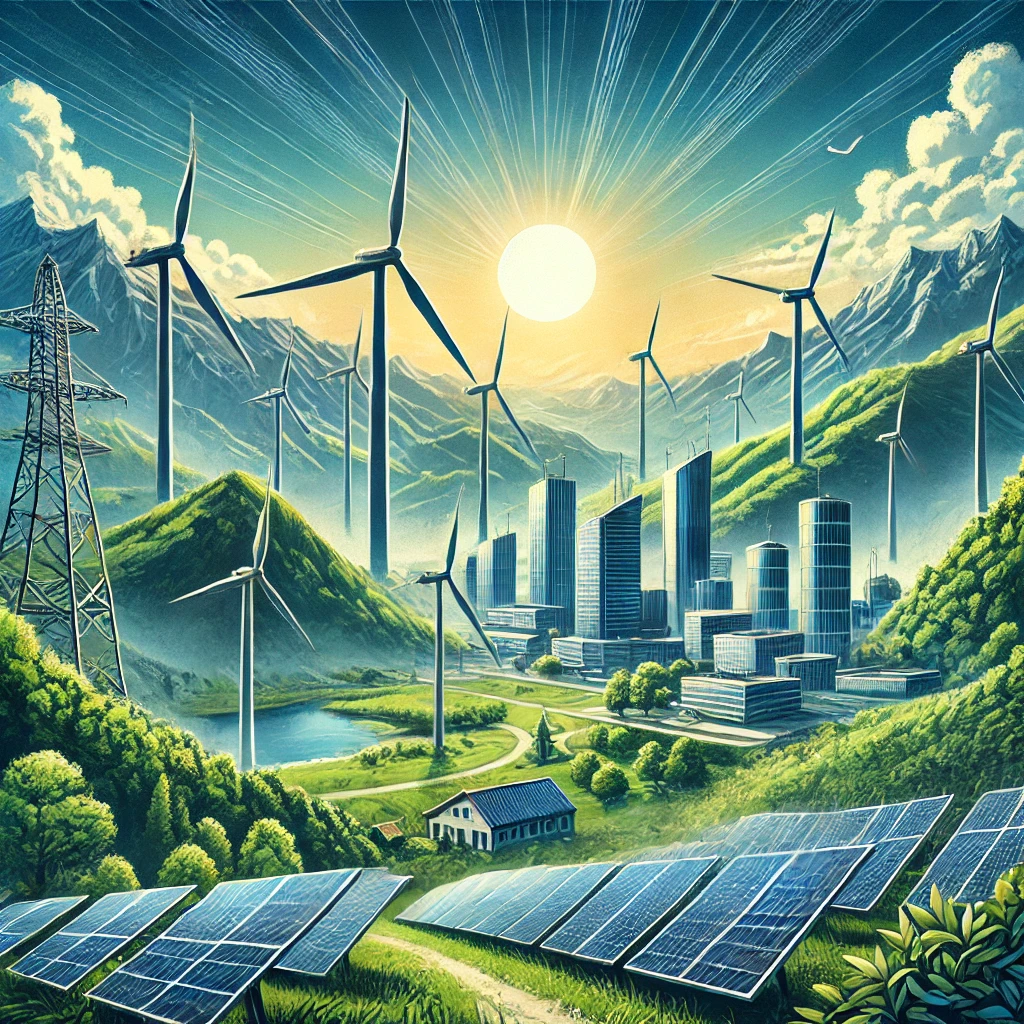
The World Bank Group's Board of Executive Directors has approved a $120 million Second Resilience and Green Development Policy Loan (DPL) to support Albania in strengthening fiscal resilience and promoting sustainable development. This financing is the second in a two-operation series designed to assist the country in achieving long-term economic and environmental sustainability.
Key Focus Areas
The program targets three critical areas to drive Albania's resilience and green growth:
-
Strengthening Government and Household Resilience
- Enhancing fiscal sustainability through improved management of public finances.
- Strengthening social assistance programs to better support vulnerable populations.
- Improving institutional frameworks to mitigate fiscal risks and promote economic stability.
-
Advancing Energy Market Reforms and Renewable Energy Expansion
- Strengthening the energy sector by implementing reforms to ensure efficiency and sustainability.
- Scaling up investment in renewable energy, including hydropower, solar, and wind energy projects.
- Promoting energy efficiency measures to reduce dependence on fossil fuels and lower energy costs.
-
Environmental Protection and Carbon Footprint Reduction
- Enhancing regulations to protect Albania's natural resources and ecosystems.
- Implementing climate mitigation measures in line with the 2015 Paris Agreement.
- Reducing greenhouse gas emissions and promoting sustainable land use.
Alignment with Strategic Development Goals
The financing is aligned with Albania's Country Partnership Framework (FY2023-2027), reinforcing the World Bank's commitment to economic resilience and improved quality of life for its citizens. Additionally, the program supports Albania's 2024-26 Economic Reform Program, its aspirations for European Union accession, and its international climate commitments.
Richard Record, World Bank Acting Country Manager for Albania, emphasized the importance of the initiative: "We are committed to supporting Albania in its journey towards a more resilient and sustainable future. This financing will help address critical challenges in the energy sector and environmental protection while also strengthening the government's ability to manage fiscal risks and support vulnerable communities."
Albania's Macroeconomic Outlook
Albania's macroeconomic policy framework remains robust, characterized by:
- Manageable fiscal deficits and a declining public debt ratio.
- A stable monetary policy environment supporting economic growth.
- Effective macroprudential measures ensuring financial sector stability.
The loan provides crucial support for Albania's transition to a greener and more resilient economy, reinforcing its progress toward sustainable development and European integration.
ALSO READ
-
Tanzania’s Growth Gains Need Better Jobs to Bring Lasting Prosperity to More Families
-
Mozambique Faces Fossil Fuel Trap; UN Expert Calls for Solar-Powered Future for All
-
Better Schools, Stronger Economy: Saudi Arabia Eyes a Major Growth Dividend From Education
-
World Bank’s Billion-Person Digital Push Puts Affordable Internet and AI at Center Stage
-
Tanzania’s Economy Gains Momentum, but Better Jobs Hold the Key to Broader National Prosperity


 Google News