

Reciprocal Tariffs: India's Export Sectors Brace for Impact
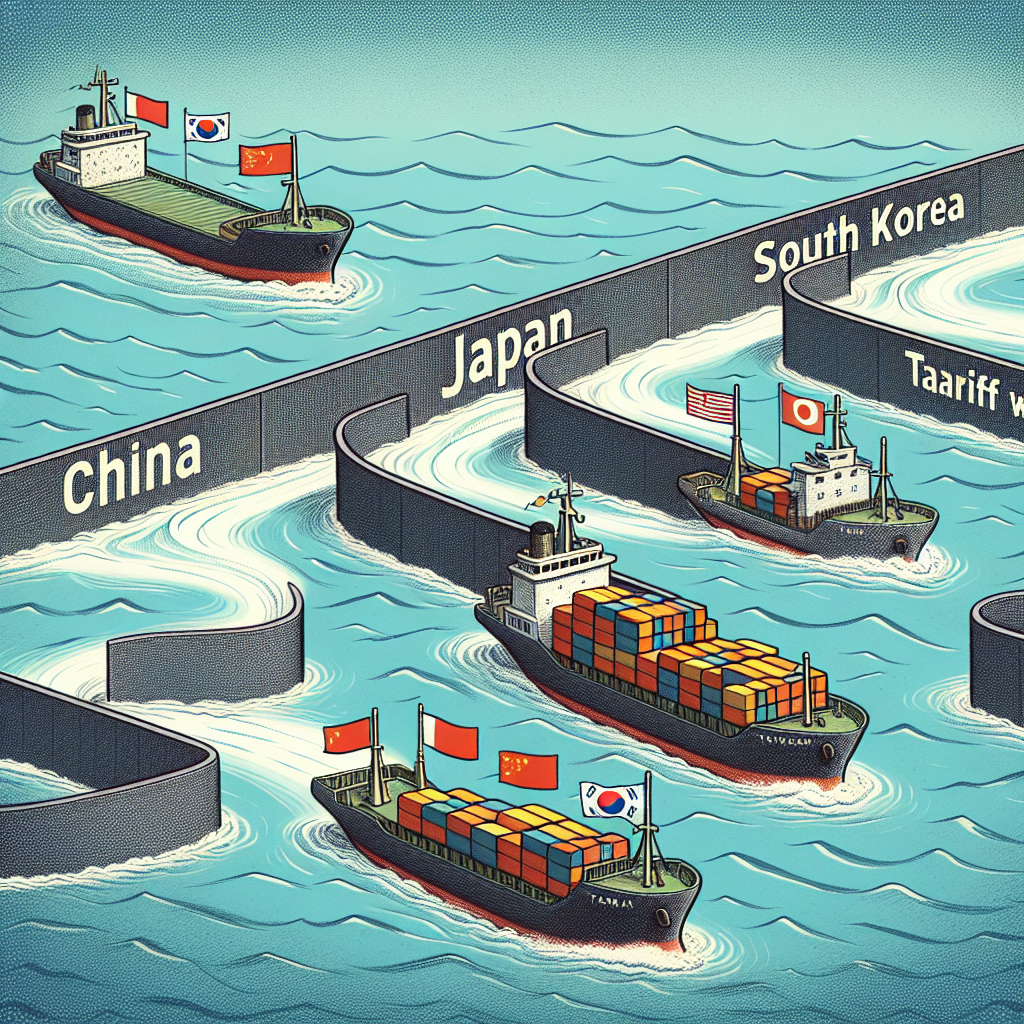
Several Indian export sectors, including agriculture, pharmaceuticals, and machinery, are at risk due to potential US reciprocal tariffs. These tariffs could widen the tariff differential, making Indian goods less competitive. Industries like seafood, jewellery, and electronics might face severe cost impacts, affecting their US market share.
- Country:
- India
Indian export industries, including agriculture and machinery, are facing potential setbacks as the US considers imposing reciprocal tariffs, experts warn. This move may affect sectors such as agriculture, pharmaceuticals, machinery, and more, potentially increasing the cost of Indian goods in US markets.
The proposed tariffs seek to address the existing tariff differential between the import duties imposed by the US and India on various products. Notably, the tariff gap is notably high in sectors including chemicals, pharmaceuticals, and diamonds, which could lead to additional customs duties from the Trump administration.
According to the Global Trade Research Initiative, the Indian agricultural sector could be notably impacted, especially fish, meat, and processed seafood exports, which risk becoming less competitive. Industry figures stress that without relief measures, the additional tariffs could severely impact India's export competitiveness in the US market.
ALSO READ
-
Cleaner Kitchens, Polluted Skies: Hidden Health Cost of India’s Electricity Boom
-
Japan-Backed ILO Projects Help 23,000 Workers Gain Rights and Fight Child Labour
-
EU Firms Rethink Supply Chains as Geopolitical Risks Reshape Global Trade
-
Trade War Chessboard: Agriculture, Energy, and Rare Earths in Focus
-
Trump and Xi Set for High-Stakes Summit: Trade, Taiwan, and Technology in Focus


 Google News