

India-UK Trade Pact: A New Era Amid Controversy
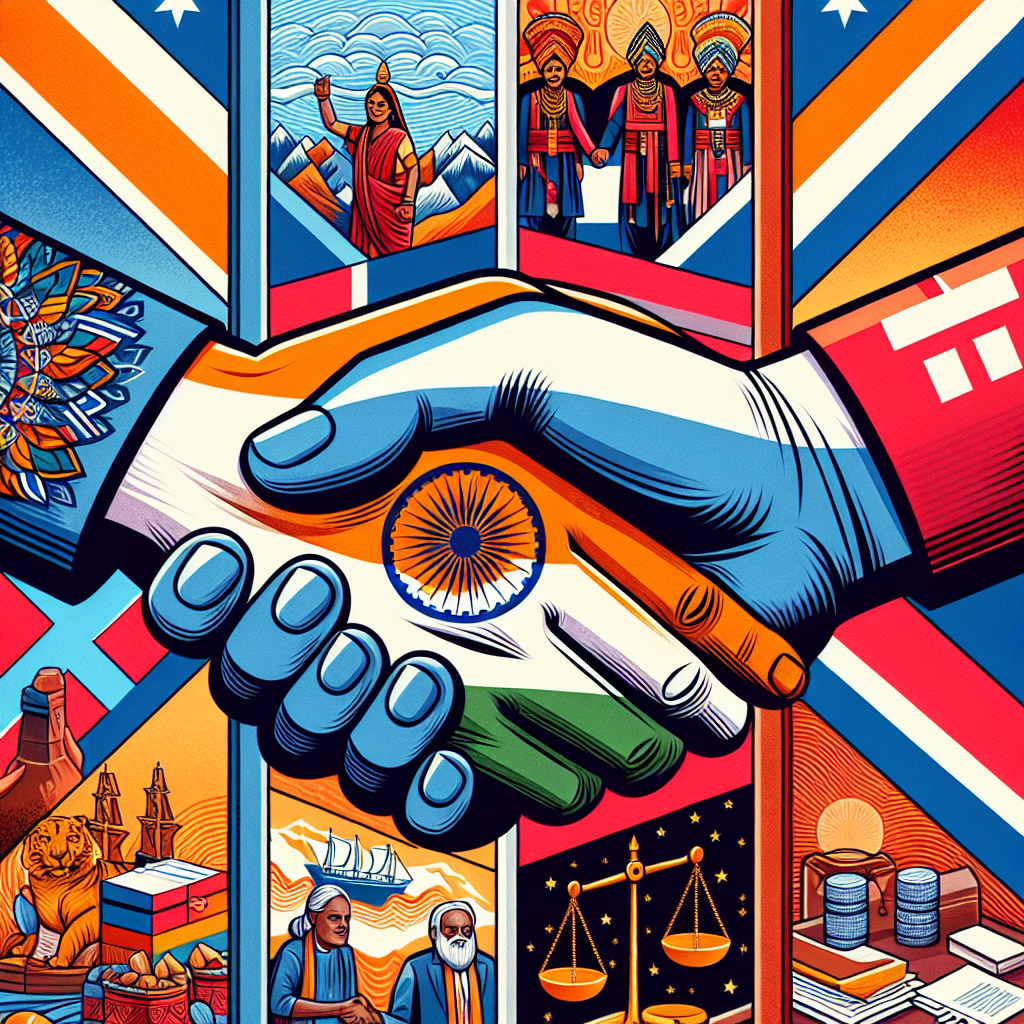
The India-UK Free Trade Agreement is about to be signed amidst political controversy. Congress criticizes the Modi government, urging a Fugitive Transfer Agreement for figures like Vijay Mallya. The trade deal promises significant economic benefits but raises questions on its impact on India's domestic sectors.
- Country:
- India
The Modi government is under scrutiny as it prepares to sign the long-anticipated India-UK Free Trade Agreement, hailed as the UK's most economically significant bilateral trade deal post-Brexit. However, Congress leaders are pushing for a Fugitive Transfer Agreement instead, citing the long-standing issue of India's financial absconders.
Congress general secretary Jairam Ramesh highlighted that notable figures like Vijay Mallya and Nirav Modi remain elusive under existing international frameworks. The signing ceremony in London, led by Prime Minister Modi and UK Prime Minister Keir Starmer, underscores bilateral commitments beyond trade, with initiatives like the UK-India Vision 2035.
While the trade agreement anticipates significant tariff reductions benefitting 99% of Indian exports, domestic industry stakeholders express concerns over the deal's implications on local businesses. The agreement, negotiated over three years, seeks comprehensive market access, opening up the sectors and enhancing trade values between the nations.


 Google News