

World Bank Backs Uzbekistan Gas Leak Fix with $10.6M Grant
Uzbekistan, one of Central Asia’s major natural gas producers, relies heavily on its pipeline network to supply energy to households, industries and export markets.
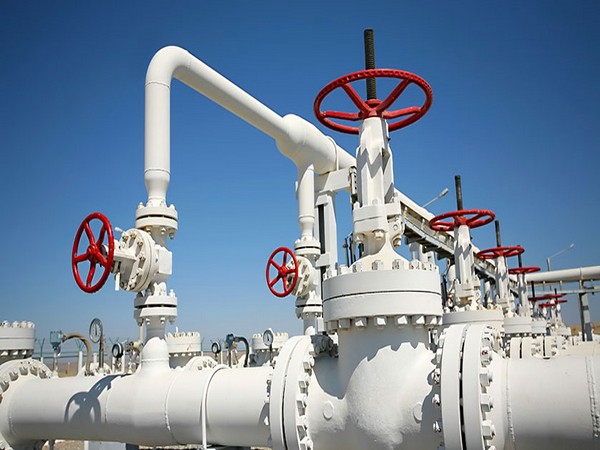
Uzbekistan is set to recover thousands of tonnes of lost natural gas and strengthen its energy security after the World Bank approved a $10.6 million grant aimed at repairing leaks in the country's aging gas transmission system.
The initiative—known as the Uzbekistan Gas Leak Repair Facility Project—targets one of the country's most persistent infrastructure challenges: significant gas losses caused by decades of underinvestment in maintenance and repair of pipelines.
The grant is funded through the World Bank's Global Flaring and Methane Reduction (GFMR) Trust Fund, and will support large-scale leak detection and repairs across the national gas transmission network operated by state-owned JSC Uztransgaz (UTG).
Aging Gas Infrastructure Driving Major Losses
Uzbekistan, one of Central Asia's major natural gas producers, relies heavily on its pipeline network to supply energy to households, industries and export markets. However, years of aging infrastructure have led to widespread leaks and inefficiencies.
According to World Bank estimates, gas losses could reach 1.75 billion cubic meters by 2030 if no action is taken, translating into approximately $228 million in lost revenues.
Such losses not only reduce government income but also limit the availability of affordable domestic energy.
"A more efficient gas transmission network will turn waste into value, freeing up more domestically produced and affordable energy for people and businesses in Uzbekistan," said Najy Benhassine, World Bank Division Director for Central Asia.
He added that reducing losses in the gas network will generate significant economic benefits while improving energy availability across the country.
Recovering Gas for Homes and Industry
The project aims to introduce modern leak detection technology, advanced repair equipment, and specialized training for Uztransgaz engineers.
By 2029, the initiative is expected to recover around 47,500 metric tonnes of gas annually that would otherwise escape into the atmosphere.
This recovered gas will be redirected for use by households and industrial consumers, helping reduce supply shortages and improve reliability of the national energy system.
Financially, the program is projected to generate about $18 million in savings, primarily from reduced gas losses.
Self-Sustaining Repair Fund
One of the most innovative aspects of the project is the creation of a financial facility managed by Uzbekistan's Ministry of Economy and Finance.
The facility will use savings generated from recovered gas to fund additional repairs across the gas transmission network, creating a self-replenishing mechanism for long-term maintenance and modernization.
This model aims to ensure that leak detection and repair activities continue even after the initial World Bank funding is exhausted.
Environmental and Economic Gains
Reducing methane emissions—one of the most potent greenhouse gases—is another key benefit of the project.
Methane is the main component of natural gas, and leaks from pipelines contribute significantly to global warming.
"Fixing leaks from gas infrastructure is relatively easy and provides multiple benefits," said Zubin Bamji, Program Manager of the GFMR Trust Fund at the World Bank Group Energy Global Department.
"In addition to boosting government revenues and energy security, this project will create jobs, provide a safer operating environment, and reduce harmful emissions."
Strengthening Monitoring and Transparency
Beyond repairs, the project will help Uztransgaz adopt internationally recognized standards for methane monitoring, reporting, and measurement.
These improvements will enhance transparency in Uzbekistan's energy sector and support the country's efforts to modernize its natural gas industry while aligning with global climate goals.
As Uzbekistan continues to reform and expand its energy sector, initiatives like the Gas Leak Repair Facility Project highlight the growing importance of efficient infrastructure management and climate-conscious energy production.
ALSO READ
-
Tanzania’s Growth Gains Need Better Jobs to Bring Lasting Prosperity to More Families
-
Tanzania’s Economy Gains Momentum, but Better Jobs Hold the Key to Broader National Prosperity
-
Tanzania’s Growing Economy Puts Better Jobs at the Heart of Its Next Growth Chapter
-
From Debt Pressure to AfCFTA: Africa Searches for a New Formula to Finance Growth and Jobs
-
World Bank Backs Tonga’s Push for Better Jobs and Business Growth With $15M Grant


 Google News