

ADB Backs Major Battery Storage Project in Cambodia
The Utility-Scale Battery Energy Storage Project will fund the construction of a 250-megawatt/500-megawatt-hour battery storage facility at the Takeo substation in southern Cambodia.
- Country:
- Cambodia
Cambodia is set to take a significant step toward a cleaner and more reliable energy future after the Asian Development Bank approved a financing package worth $63.44 million to support a large-scale battery energy storage project.
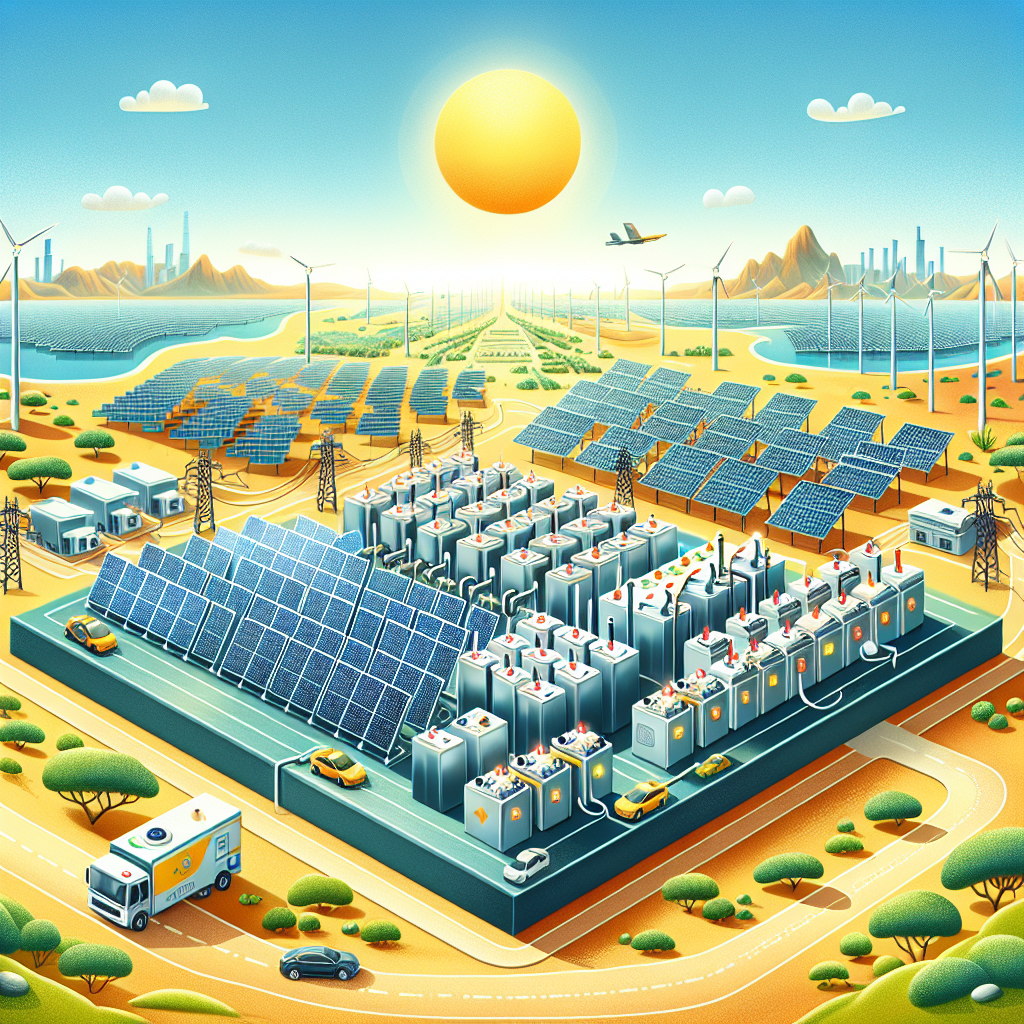
The Utility-Scale Battery Energy Storage Project will fund the construction of a 250-megawatt/500-megawatt-hour battery storage facility at the Takeo substation in southern Cambodia. The system will be designed to store surplus electricity generated from renewable energy sources and release it back into the grid when demand rises.
Energy experts say battery storage plays a critical role in modern power systems because it helps balance fluctuations in electricity generation, particularly from renewable sources such as solar power. By storing excess energy during periods of high production and releasing it during peak demand, the facility will help maintain a more stable and reliable electricity supply.
Project supports energy security and regional connectivity
Cambodia has made considerable progress in expanding electricity access and developing its power infrastructure over recent years. Despite these gains, the country continues to depend heavily on imported fuels for a large portion of its electricity generation, leaving it vulnerable to international price fluctuations and supply disruptions.
The new battery storage facility is expected to strengthen energy security by allowing greater use of locally generated renewable energy and reducing pressure on the national grid during periods of high demand.
The project will also support cross-border electricity trading between Cambodia and neighbouring Viet Nam. Improved grid flexibility and storage capacity are expected to enhance regional energy cooperation while contributing to broader efforts to create a more interconnected Southeast Asian power network.
The initiative aligns with the long-term vision of the ASEAN Power Grid, which aims to establish fully integrated electricity operations across Southeast Asia by 2045. Greater regional connectivity is expected to improve energy reliability, support economic growth and encourage investment in renewable energy projects throughout the region.
ADB Country Director for Cambodia Yasmin Siddiqi said the project demonstrates Cambodia's commitment to advancing its clean energy transition while ensuring reliable and affordable electricity remains available to households, businesses and agricultural producers.
Renewable energy goals and workforce development receive boost
The battery storage project forms part of Cambodia's broader strategy to increase renewable energy capacity and reduce greenhouse gas emissions. Government targets call for renewable sources to account for 70 percent of the country's energy capacity by 2030. By improving the grid's ability to integrate solar and other renewable power sources, the facility is expected to play an important role in achieving that objective. Once fully operational, the project is projected to prevent up to 27,700 tonnes of greenhouse gas emissions each year, contributing to national and regional climate goals.
Beyond infrastructure development, the initiative includes measures to strengthen technical expertise within Electricité du Cambodge (EDC), the country's state-owned electricity utility. Training and capacity-building programmes will help the organisation manage advanced energy technologies and modern grid systems more effectively.
The project will also support the development of regulations governing battery energy storage and encourage greater participation by women in the energy sector. Skills development programmes are expected to create opportunities for women to enter technical, engineering and leadership roles within the industry.
The financing package includes a $40 million concessional loan and a $5 million grant from the Asian Development Bank through the Asian Development Fund. Additional funding of $18.44 million will come from the Green Climate Fund and the United Kingdom through the ASEAN Catalytic Green Finance Facility. Officials believe the project will strengthen Cambodia's energy resilience while helping the country move toward a more sustainable and diversified power system.


 Google News